
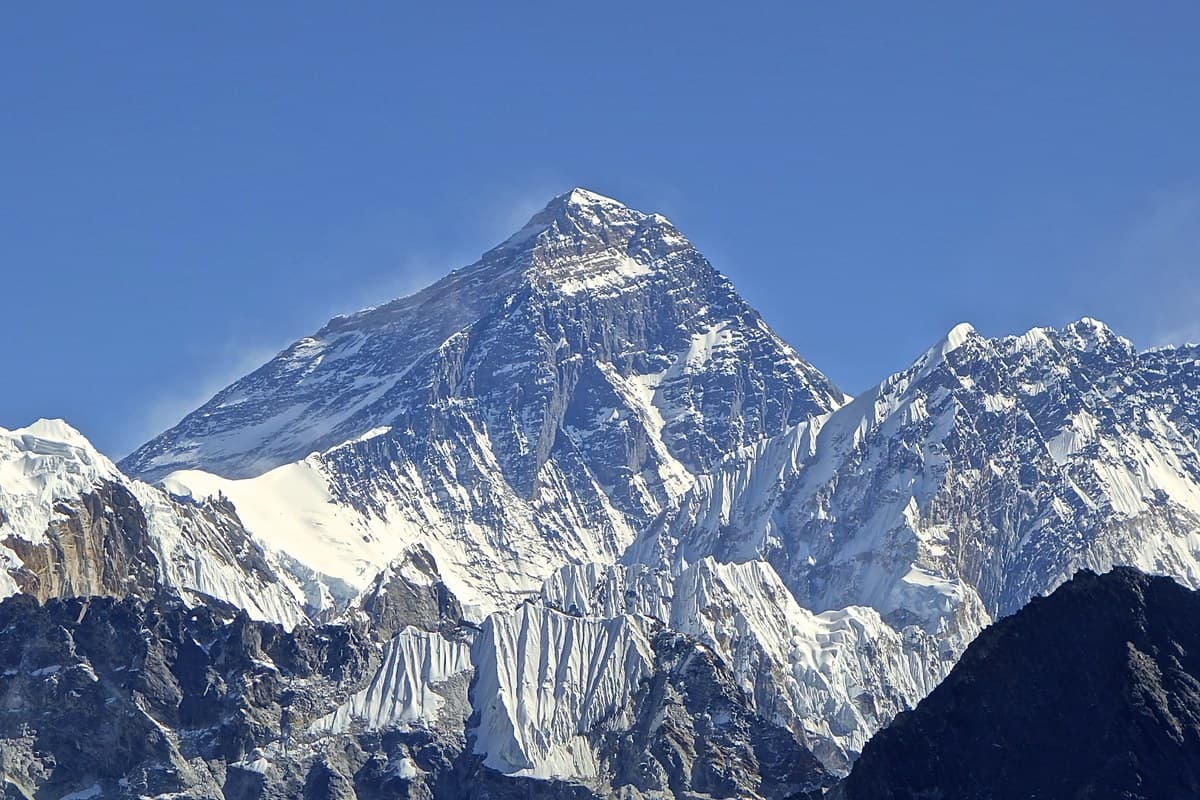
Mount Everest (Sagarmatha)
Standing at 8,848.86m on the crest of the Great Himalayas, Mount Everest—known locally as Sagarmatha ('Goddess of the Sky') and Chomolungma ('Mother Goddess of the World')—is Earth's highest pinnacle.
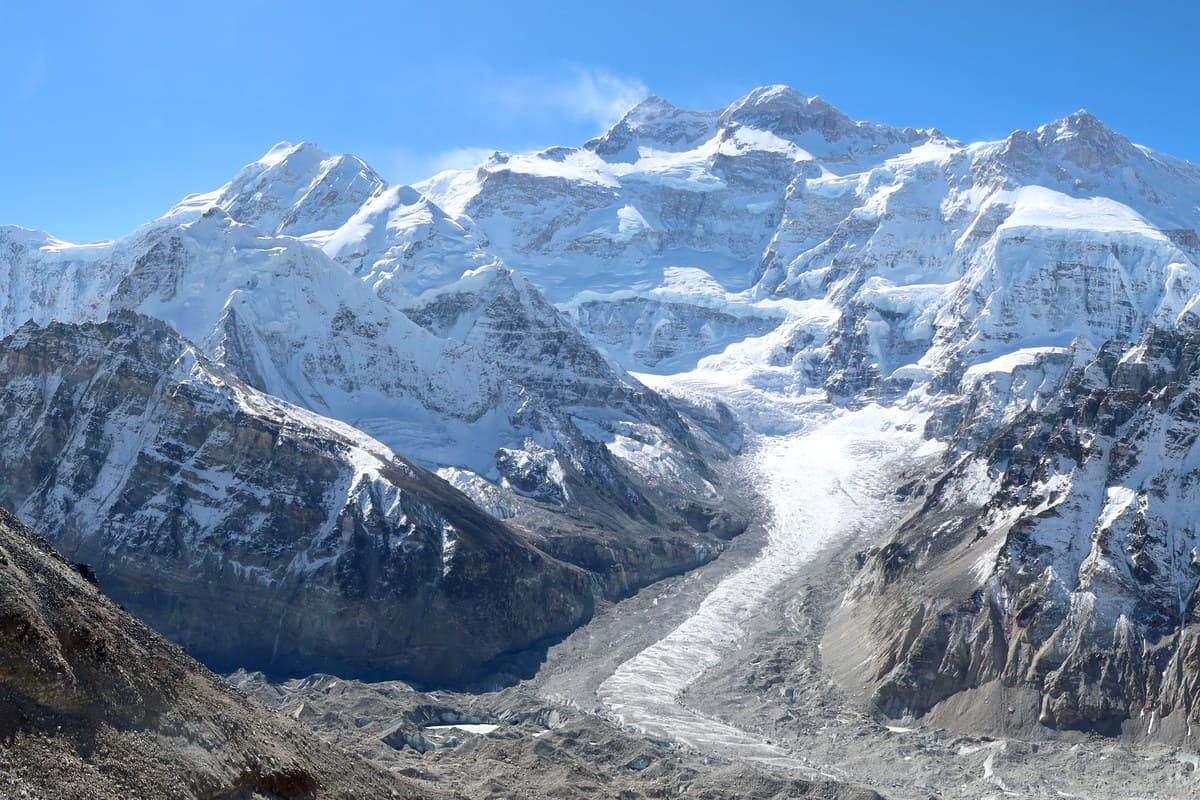
Kangchenjunga
Rising to 8,586m in remote eastern Nepal on the border with Sikkim, Kangchenjunga is the third-highest mountain on Earth, prized for its pristine wilderness and untamed beauty.
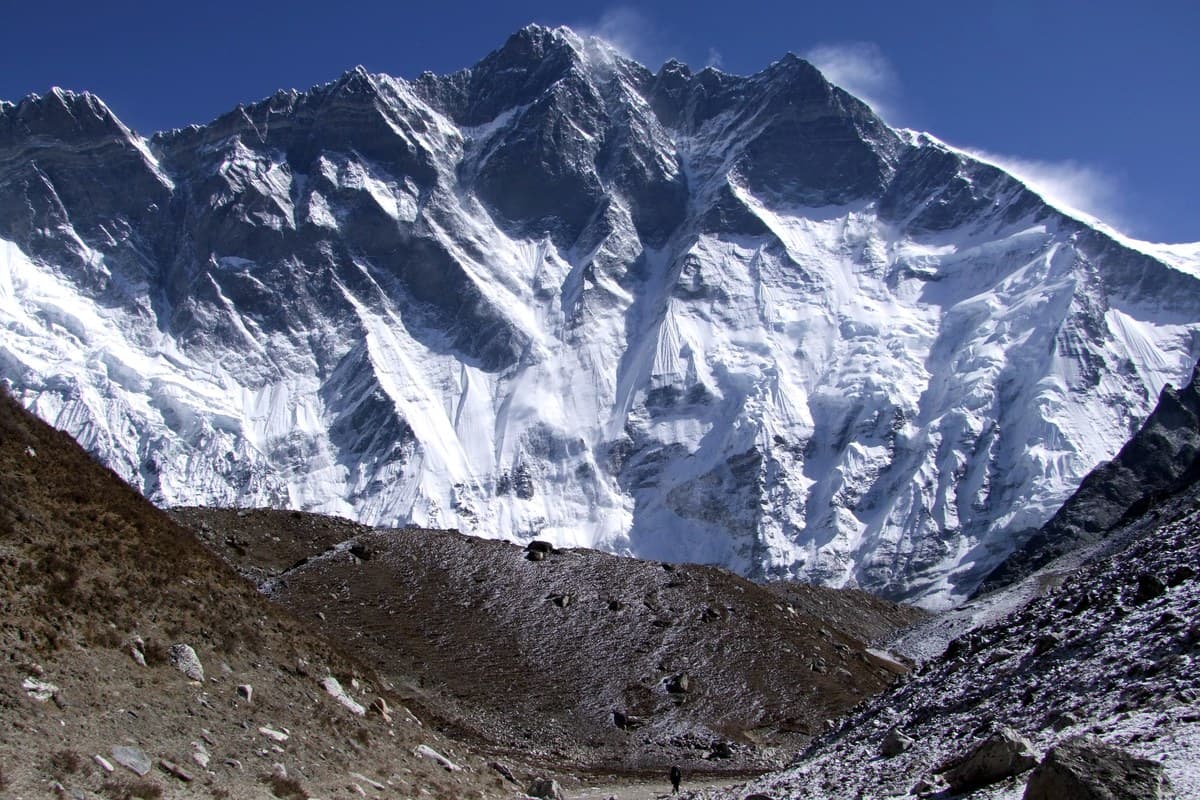
Lhotse
Ranked the fourth-highest mountain in the world at 8,516m, Lhotse is connected to Everest via the South Col and features the steepest rock face in the Himalayas—the 3.2km Lhotse South Face.
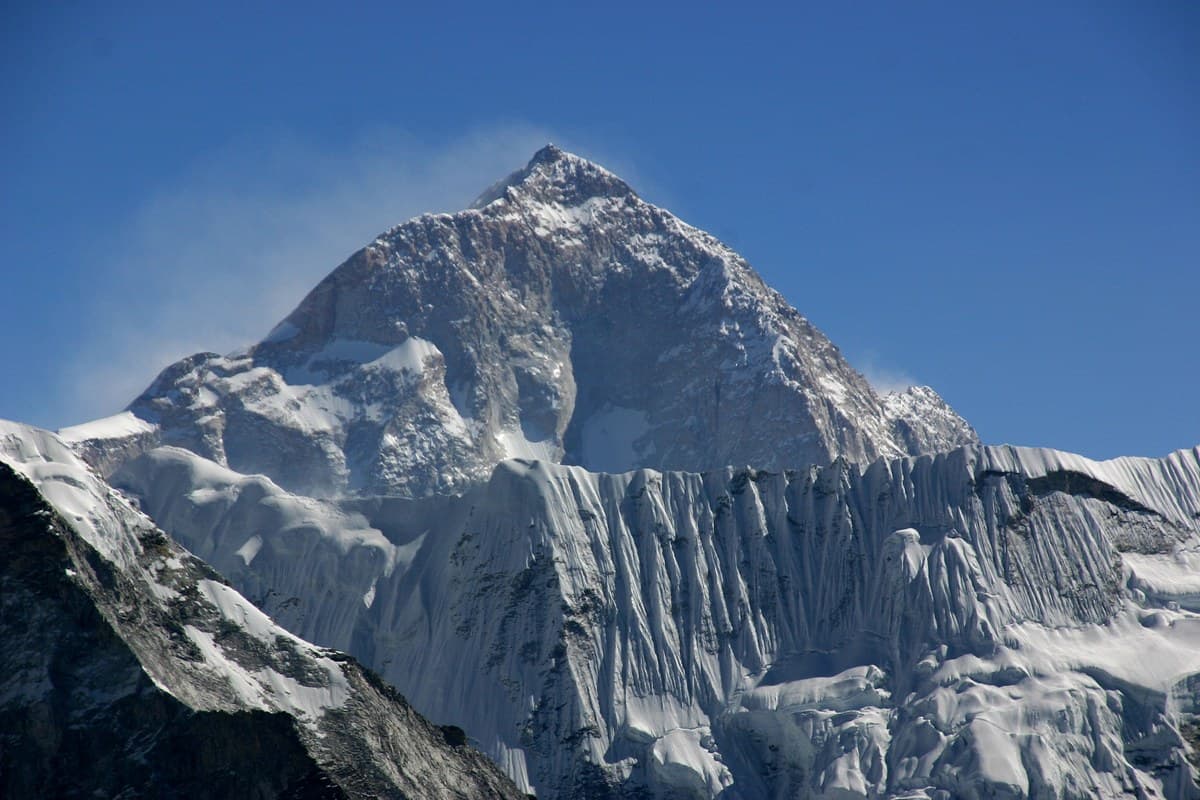
Makalu
Rising 8,485m as an isolated four-sided pyramid of dark granite and hanging glaciers, Makalu is the fifth-highest mountain on Earth and one of the most physically demanding 8,000ers.
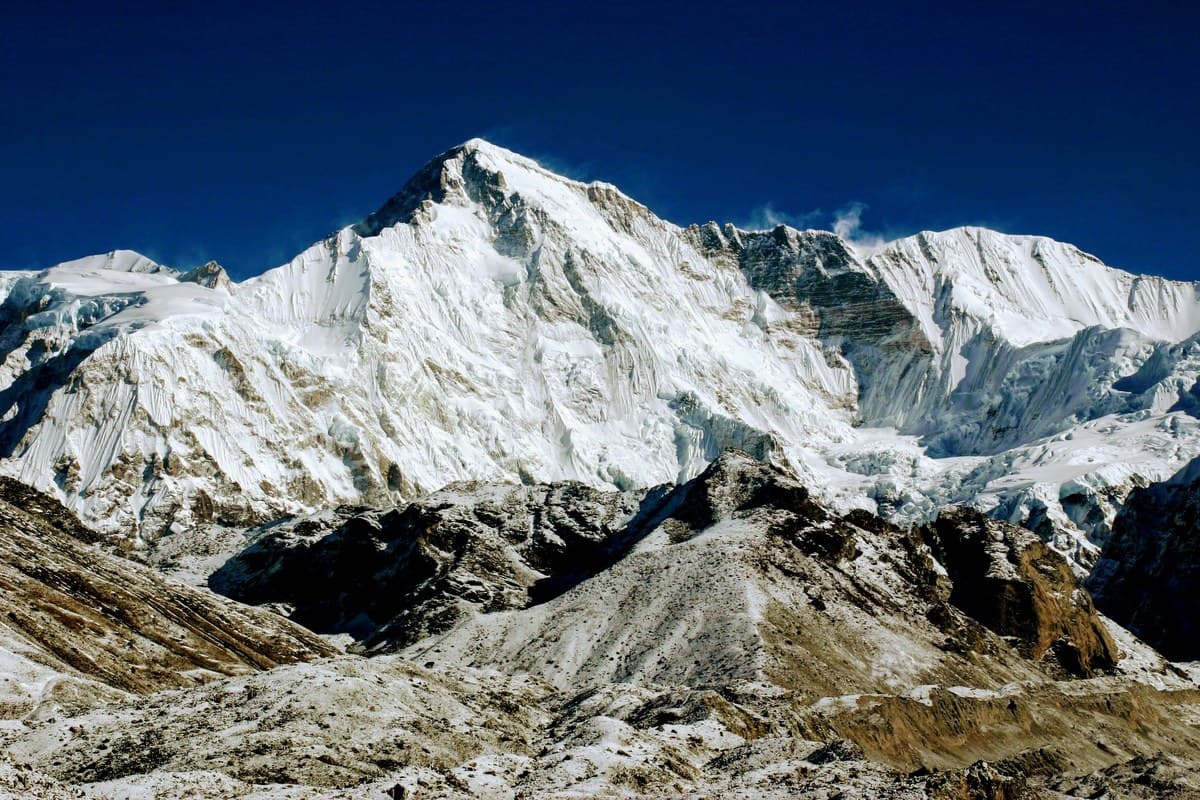
Cho Oyu
The sixth-highest mountain in the world at 8,188m, Cho Oyu is renowned for its sweeping western glaciated slopes and is the most climbed 8,000-meter peak after Everest.
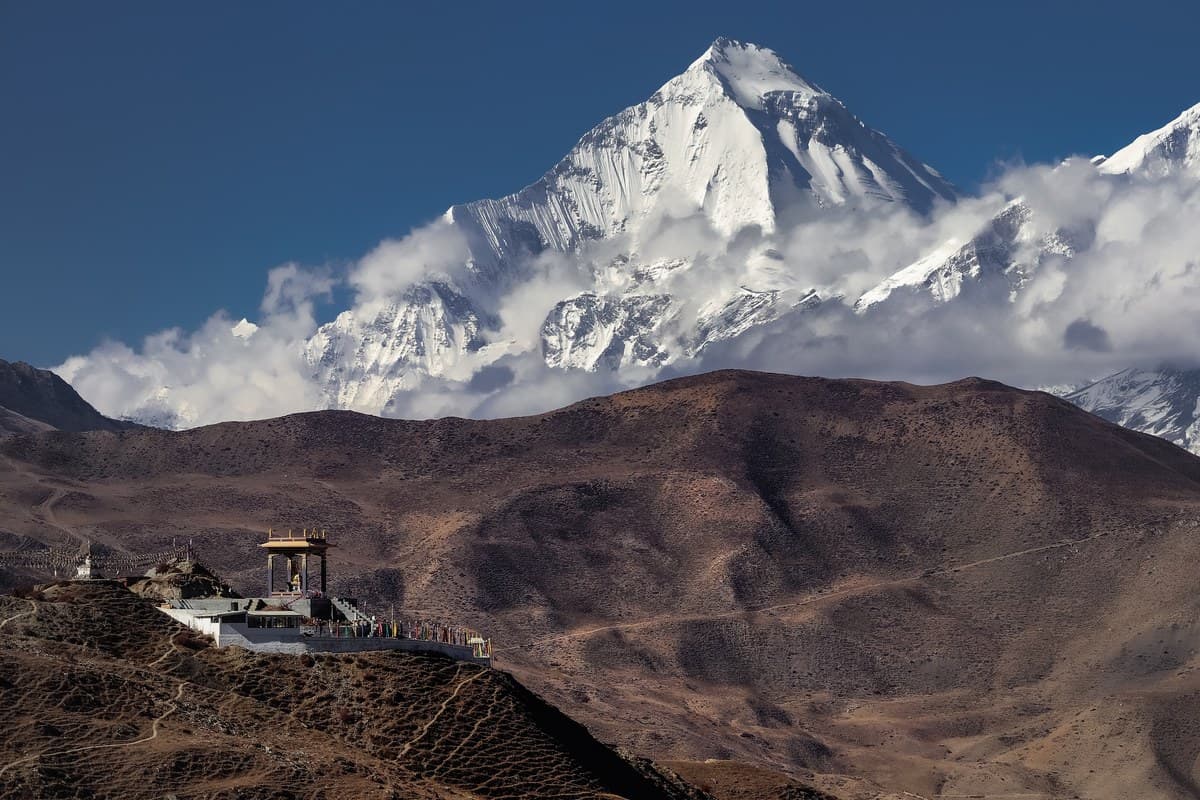
Dhaulagiri I
Rising 8,167m above the Kali Gandaki Gorge—the deepest canyon in the world—Dhaulagiri is an immense glaciated fortress of white ice and severe vertical drop.
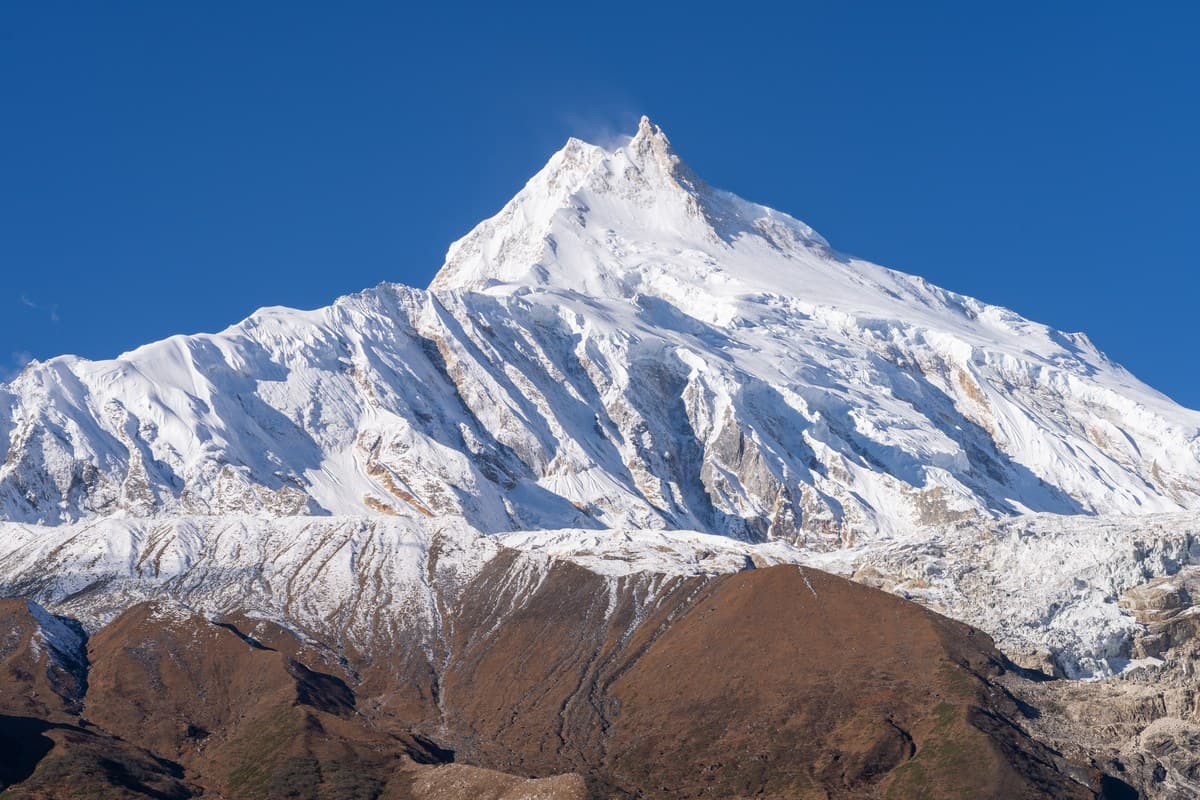
Manaslu (Kutang)
Reaching 8,163m in the Gorkha District, Manaslu—'Mountain of the Spirit'—is the eighth-highest peak in the world, celebrated for its Japanese climbing legacy and rich Tibetan border culture.
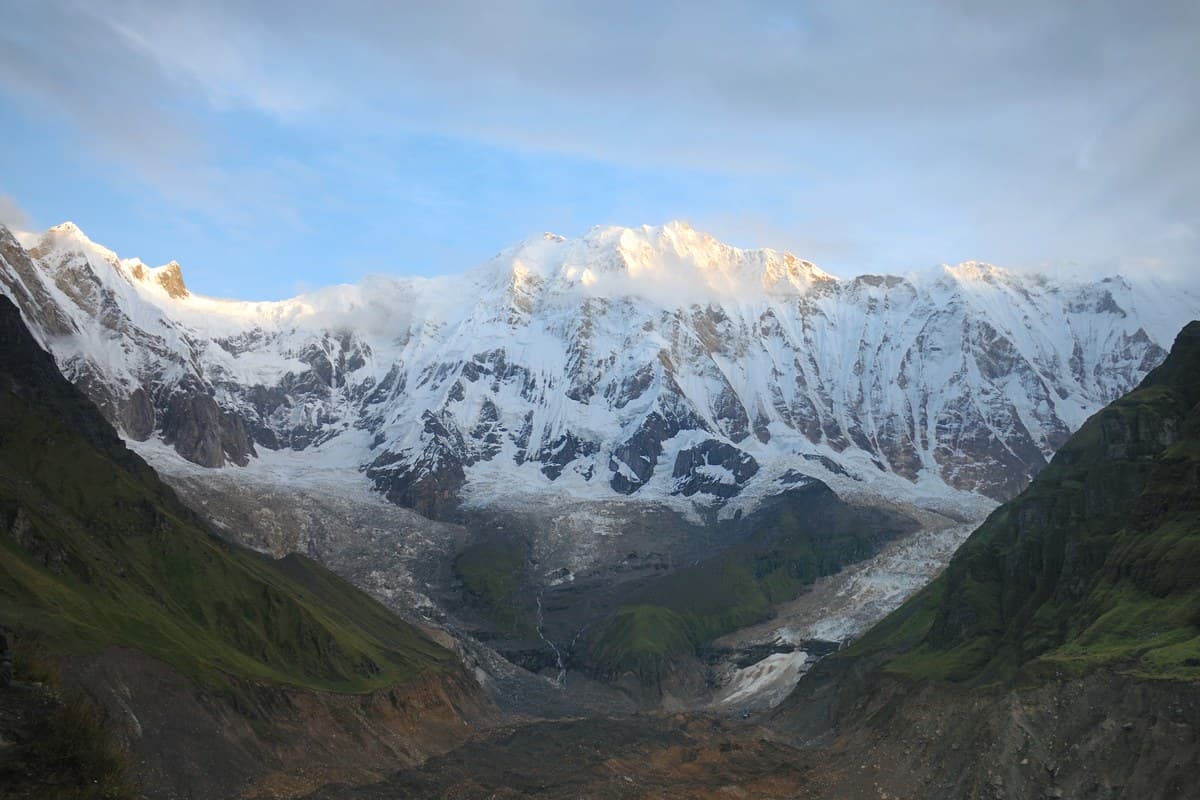
Annapurna I
The tenth-highest mountain in the world at 8,091m, Annapurna I was the very first 8,000-meter peak ever climbed by humanity, accomplished by Maurice Herzog and Louis Lachenal in 1950.
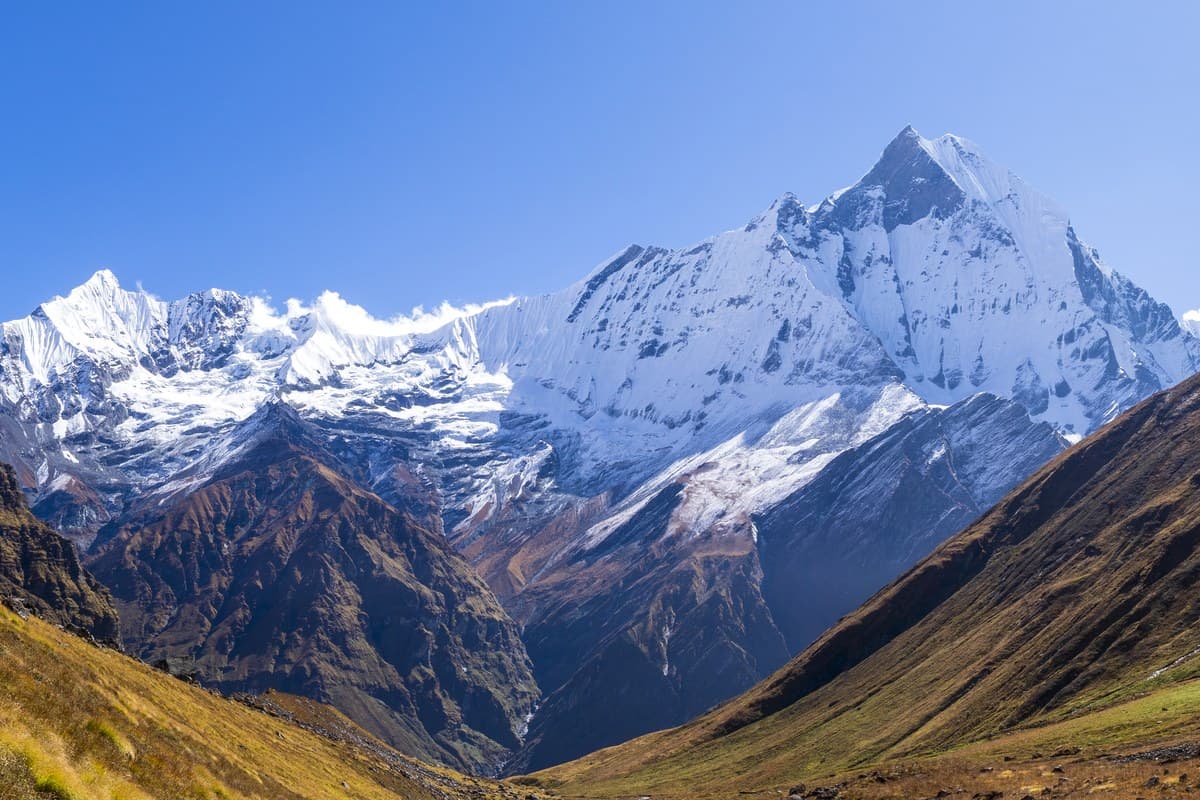
Machhapuchhre (Fishtail)
Dominating the skyline of Pokhara with its distinctive twin-peaked fishtail summit, Machhapuchhre (6,993m) is revered as the sacred abode of Lord Shiva and remains forbidden to climbers by royal decree.
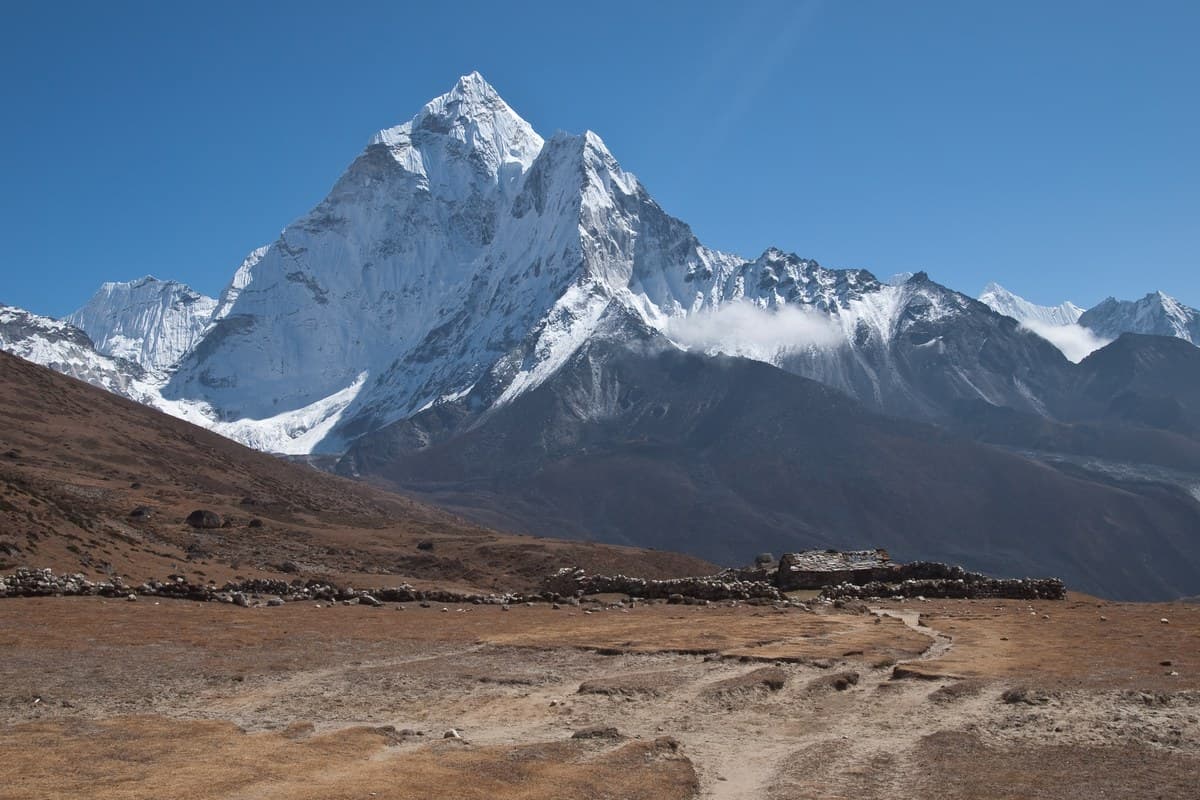
Ama Dablam
Renowned as one of the most stunning and photogenic peaks in the world, Ama Dablam (6,812m) is a technical masterpiece of sheer rock towers, knife-edge ridges, and hanging glaciers in the Everest region.