
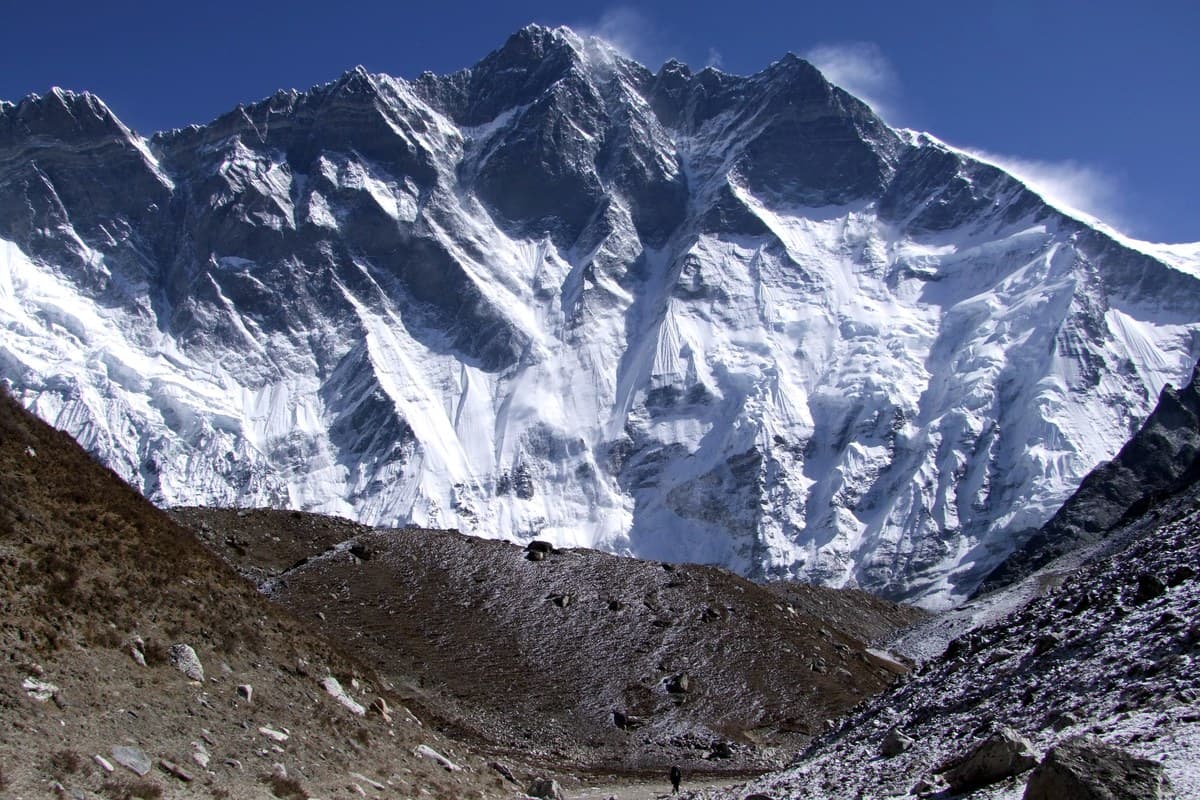
Lhotse
The South Peak of Everest • 8,516m
Overview & Geography
Ranked the fourth-highest mountain in the world at 8,516m, Lhotse is connected to Everest via the South Col and features the steepest rock face in the Himalayas—the 3.2km Lhotse South Face.
Lhotse ('South Peak' in Tibetan) shares its approach and lower camps up to Camp 3 with Mount Everest. From the Yellow Band, climbers veer right up the narrow, icy Lhotse Couloir to reach the razor-sharp apex. The monumental Lhotse South Face rises 3,200 vertical meters in a sheer wall of ice and shattered granite, representing one of the most formidable barriers in extreme alpinism.
Ascent History & Heritage
First climbed in 1956 by a Swiss team under Albert Eggler, Lhotse has been a testing ground for elite mountaineers. The treacherous South Face claimed the life of the legendary Polish climber Jerzy Kukuczka in 1989 before a Russian team climbed the central wall in 1990.
Expedition Highlights
Fourth-highest mountain on Earth, immediately adjacent to Everest
The Lhotse Couloir - An 80-degree icy gully cutting toward the summit pyramid
Lhotse Middle (8,410m) - Longest unclimbed named summit in the world until 2001
Spectacular up-close perspective of Everest's South Col and Nuptse ridge
Standard Route
West Face via the Lhotse Couloir
Steep mixed ice climbing, intense exposure, stonefall hazards, and shared base camp camaraderie with Everest teams.
Climber Advisories & Tips
- •Rockfall in the Lhotse Couloir is a lethal hazard; climb with high-impact helmet and move swiftly in early morning hours.
- •Climbers frequently attempt Everest-Lhotse double-headers using the shared South Col infrastructure.
Connected Nepal Guides & Essentials
8 connected resources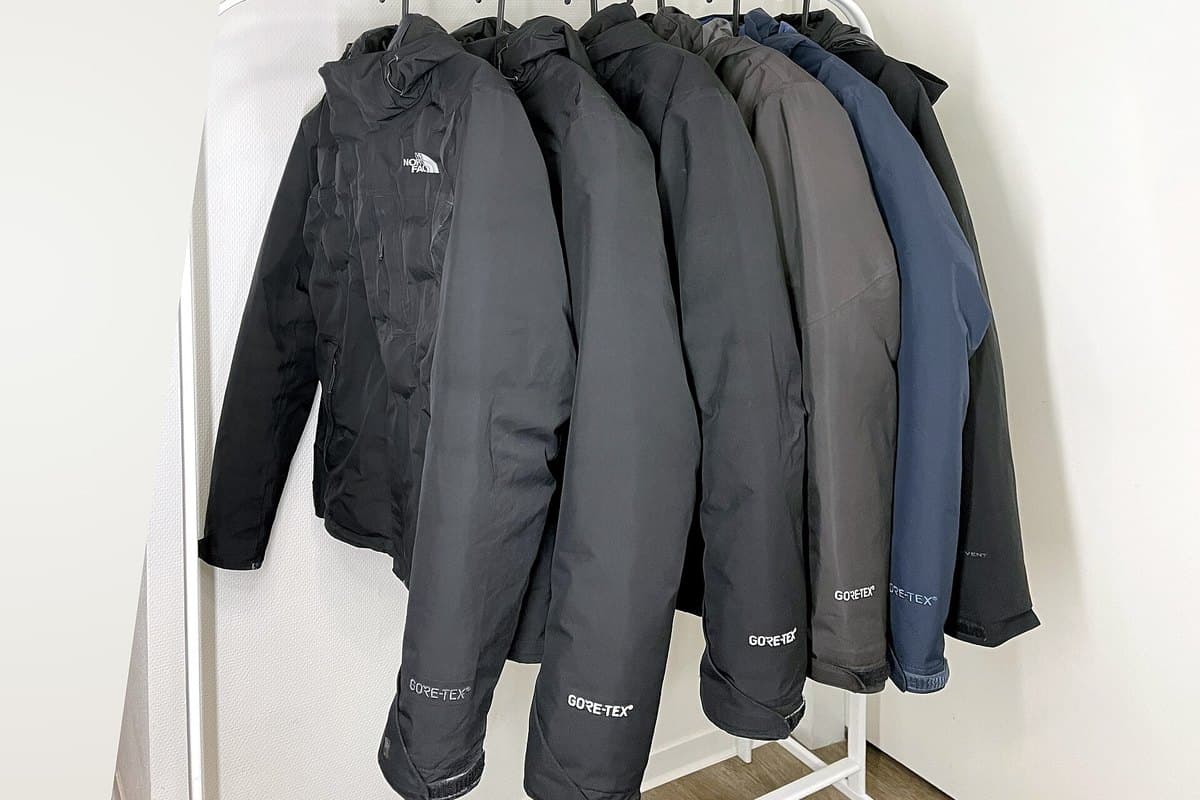
800-Fill Goose Down Expedition Jacket
Apparel & Insulation
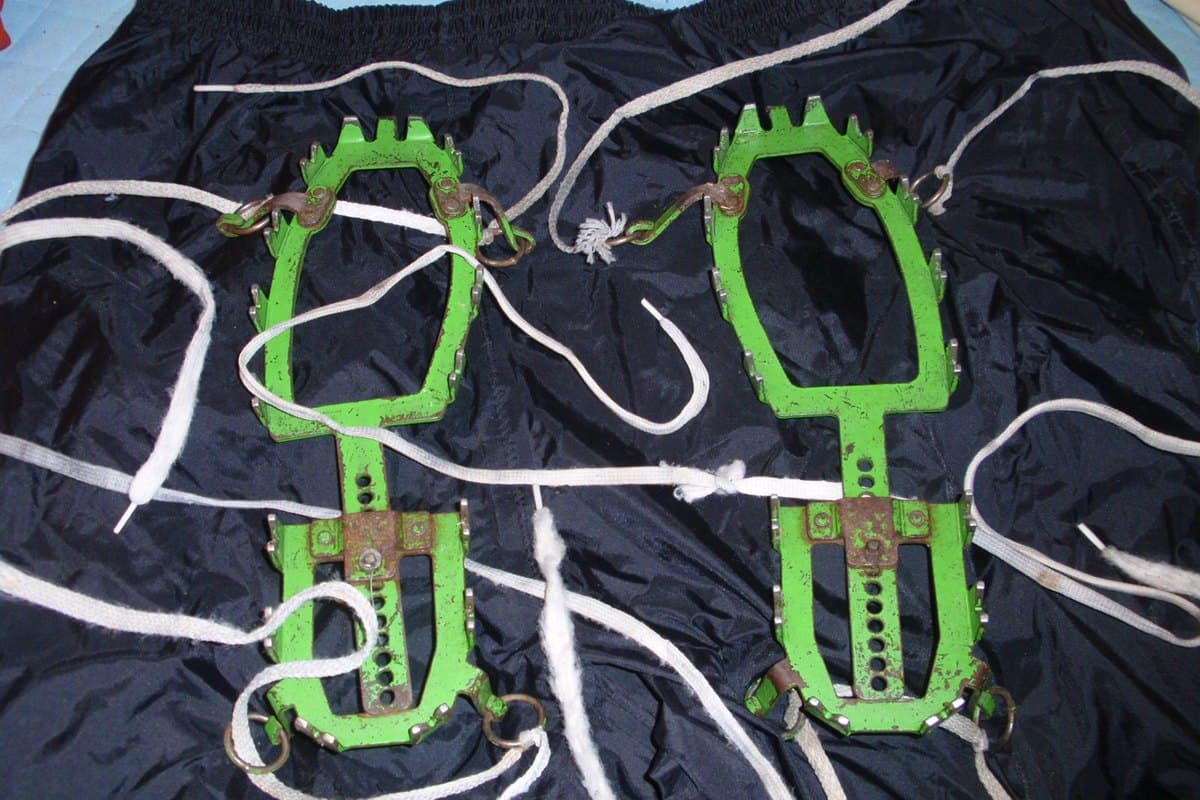
12-Point Mountain Crampons & Alpine Ice Axe
Technical Climbing
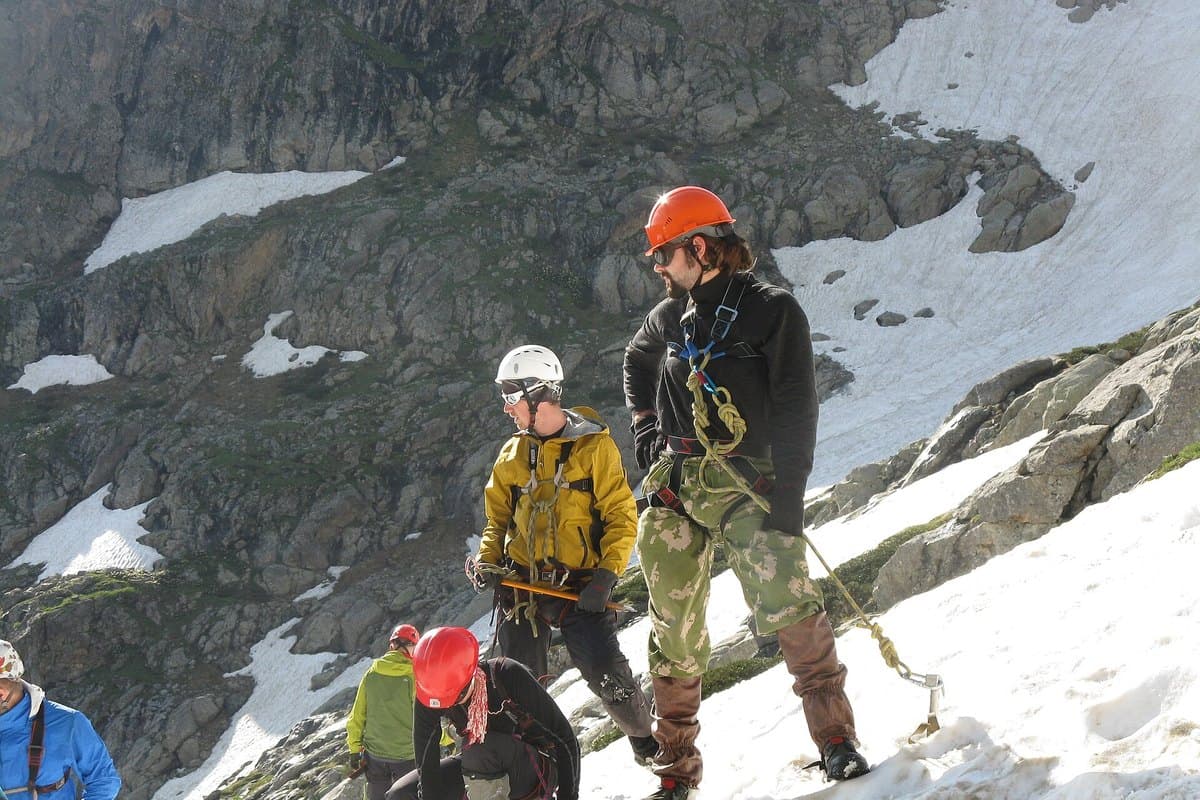
UIAA Mountaineering Helmet & Alpine Sit Harness
Technical Climbing
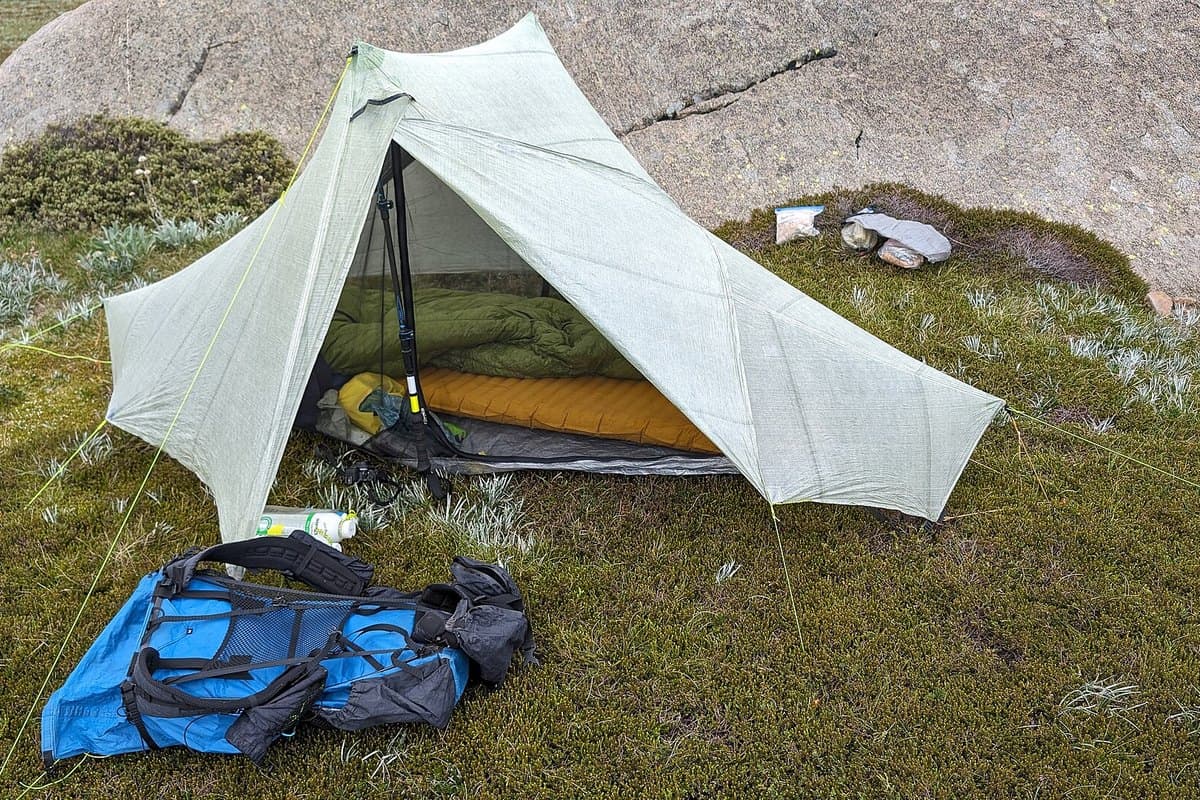
Four-Season Down Sleeping Bag (-20°C / -4°F)
Sleeping & Shelter
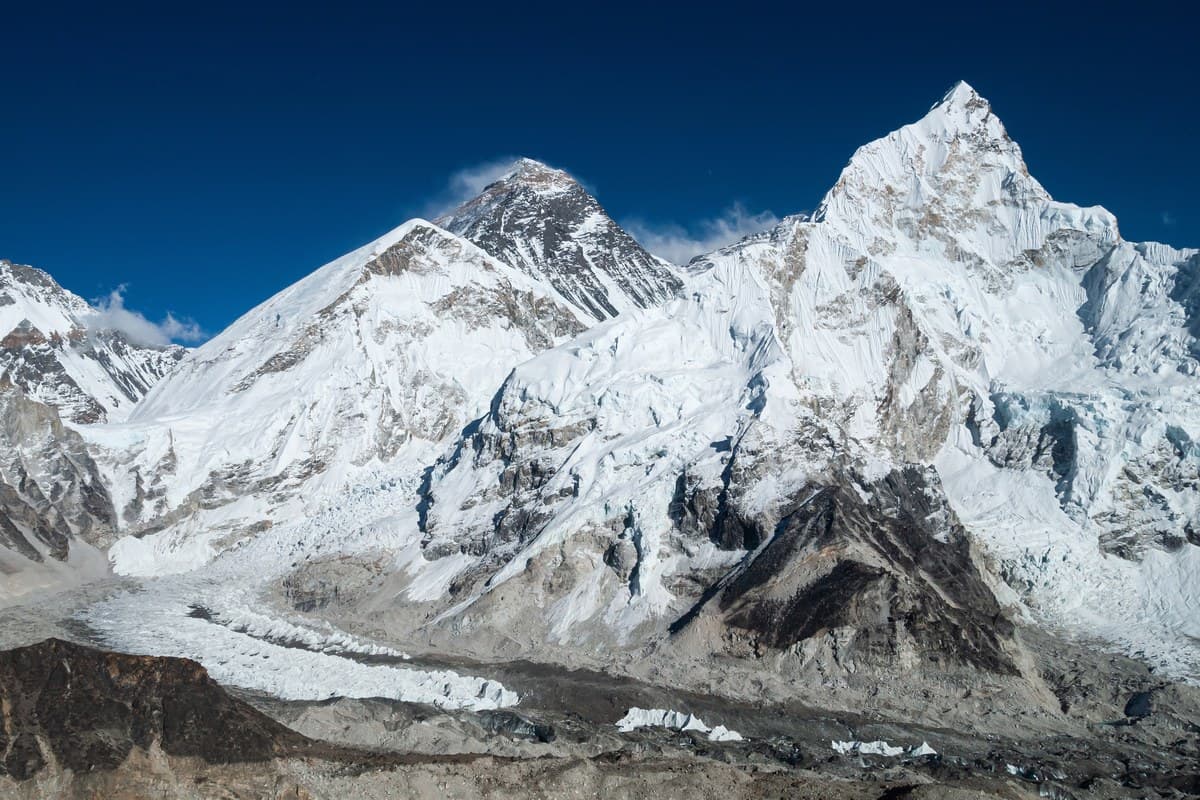
Everest Base Camp Trek
14 Days • Challenging
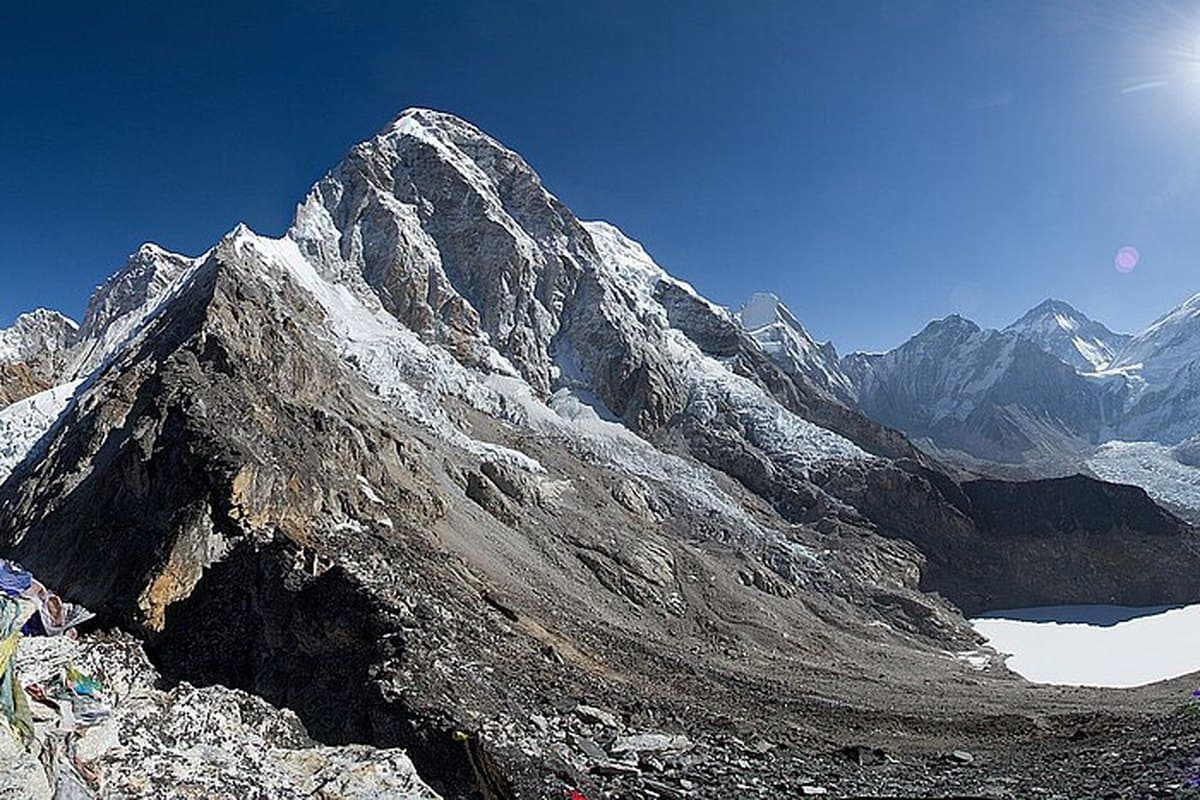
Everest Base Camp Trek
Journey to the World's Highest Mountain
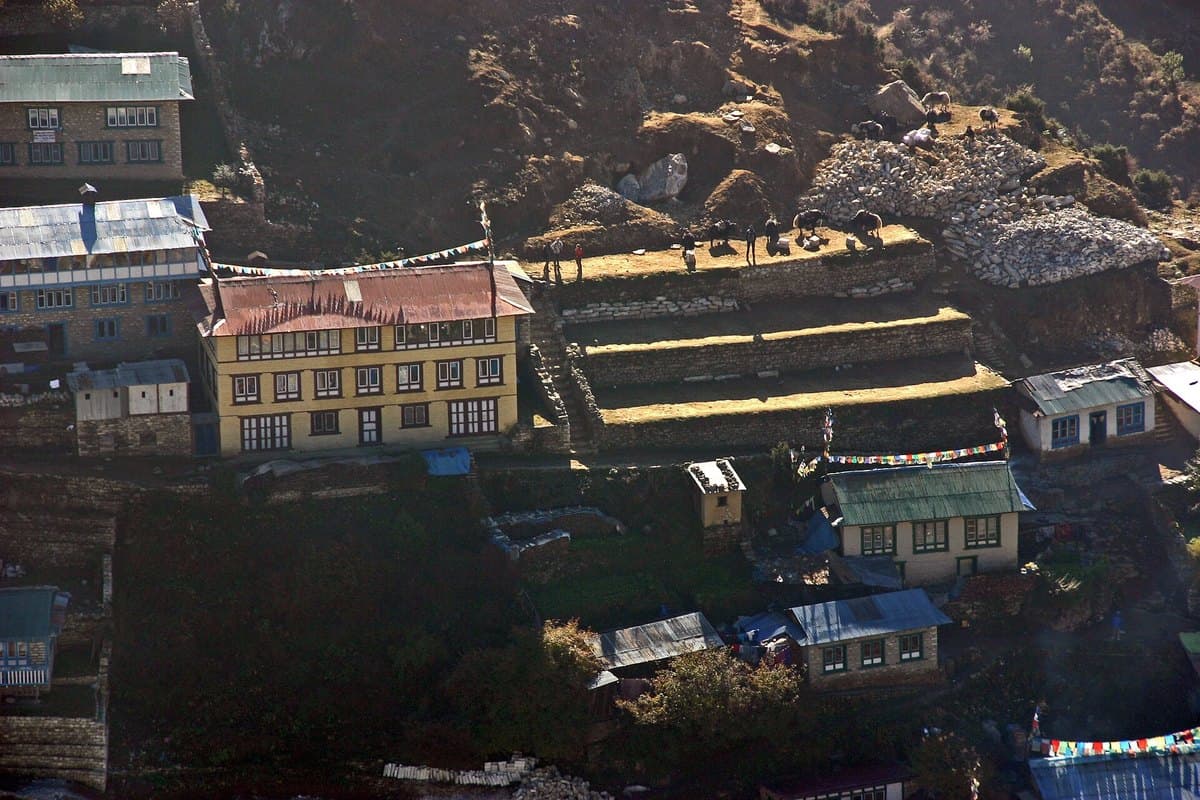
Tea Houses
Authentic Trekking Accommodations
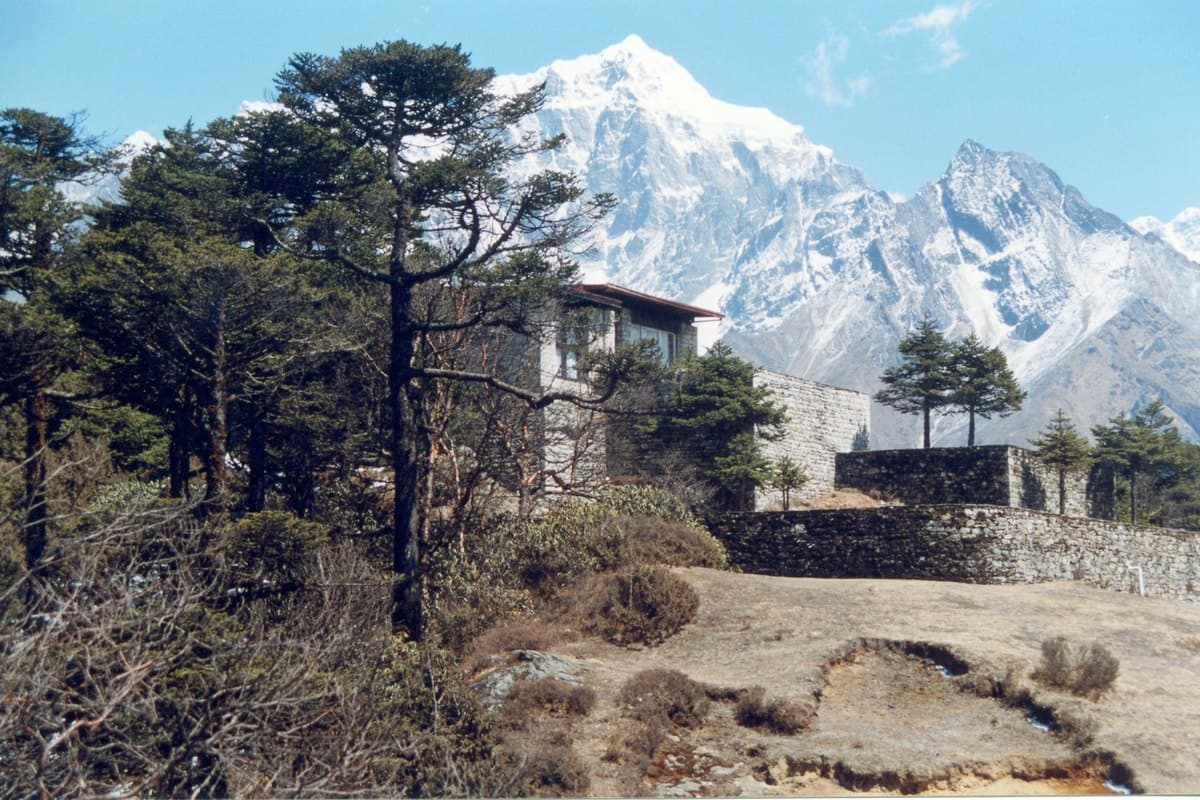
Hotel Everest View
World Record Luxury at 3,880m