
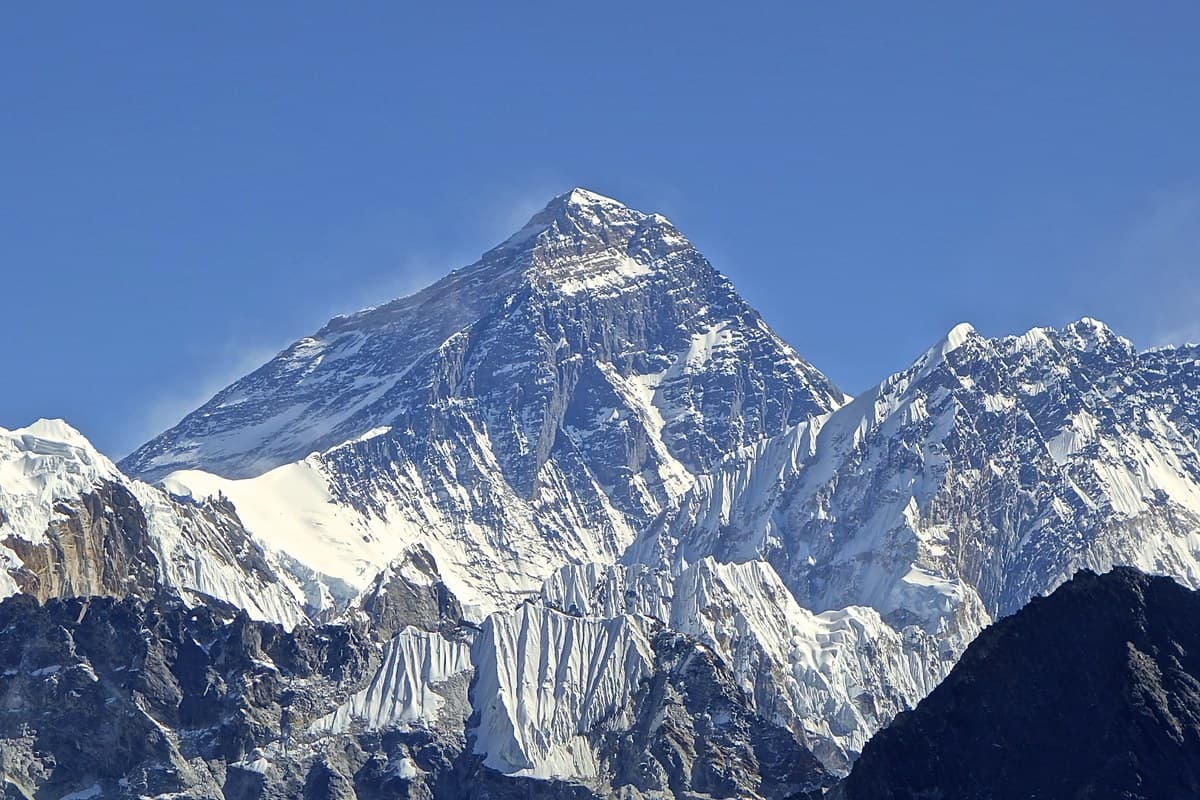
Mount Everest (Sagarmatha)
The Roof of the World • 8,848.86m
Overview & Geography
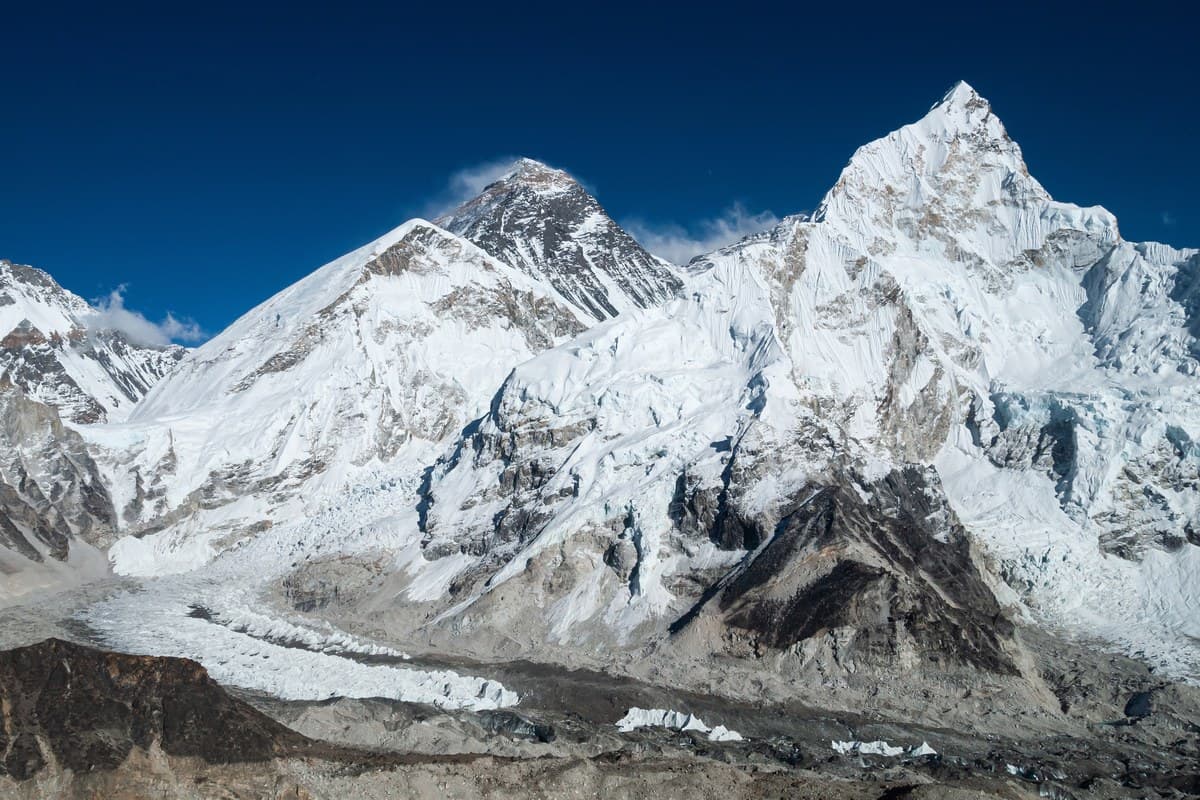
Standing at 8,848.86m on the crest of the Great Himalayas, Mount Everest—known locally as Sagarmatha ('Goddess of the Sky') and Chomolungma ('Mother Goddess of the World')—is Earth's highest pinnacle.
Mount Everest crowns the Mahalangur Himal sub-range on the border between Nepal and the Tibet Autonomous Region of China. For centuries, the mountain was revered as a sacred cosmic pillar by the local Sherpa community before becoming the ultimate challenge for world mountaineers. Approached through the Sagarmatha National Park, the journey to its base traverses Buddhist monasteries, suspension bridges over the Dudh Koshi, and the Khumbu Icefall. The standard Southeast Ridge route pioneered in 1953 remains the premier line of ascent from the Nepalese side.
Ascent History & Heritage
Identified as Peak XV by the Great Trigonometrical Survey of India in 1852, it was named after George Everest in 1865. Following British reconnaissance expeditions through Tibet in the 1920s, Nepal opened its borders in 1950. On May 29, 1953, British expedition members Tenzing Norgay and Edmund Hillary achieved the historic first ascent. In 1978, Reinhold Messner and Peter Habeler proved human survival was possible by completing the first ascent without supplementary oxygen.
Expedition Highlights
Highest elevation point on planet Earth at 8,848.86 meters
Khumbu Icefall - A dramatic, shifting labyrinth of seracs and crevasses
South Col (7,906m) - The desolate launching platform into the Death Zone
Hillary Step - Historic rock outcrop on the knife-edge summit ridge
Kala Patthar (5,644m) - Legendary trekker vantage point offering full summit views
Tengboche Monastery - Sacred spiritual hub where climbers receive blessings
Standard Route
South Col via Khumbu Icefall and Southeast Ridge
Uncompromising alpine grandeur, sub-zero glacial conditions, roaring jet stream winds, and the deep Buddhist culture of the Khumbu Sherpas.
Climber Advisories & Tips
- •Everest summit expeditions require 60 days minimum and years of prior 7,000m+ and 8,000m mountaineering experience.
- •Trekkers can experience the massif by trekking to Everest Base Camp (5,364m) or climbing Mera/Island Peak nearby.
- •Strict acclimatization schedules and hydration (4-5L daily) are non-negotiable above 4,000m.
- •Helicopter rescue insurance with high-altitude coverage up to 6,000m is required for all visitors.
Connected Nepal Guides & Essentials
15 connected resources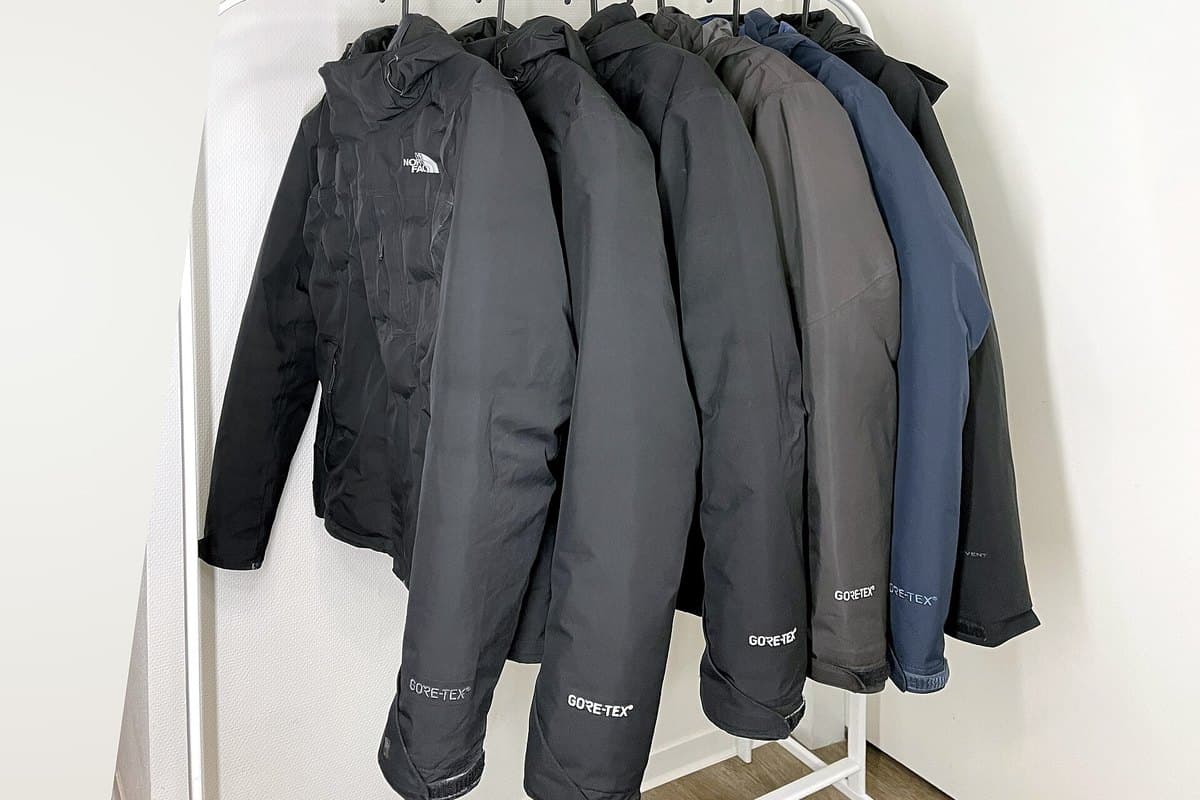
800-Fill Goose Down Expedition Jacket
Apparel & Insulation
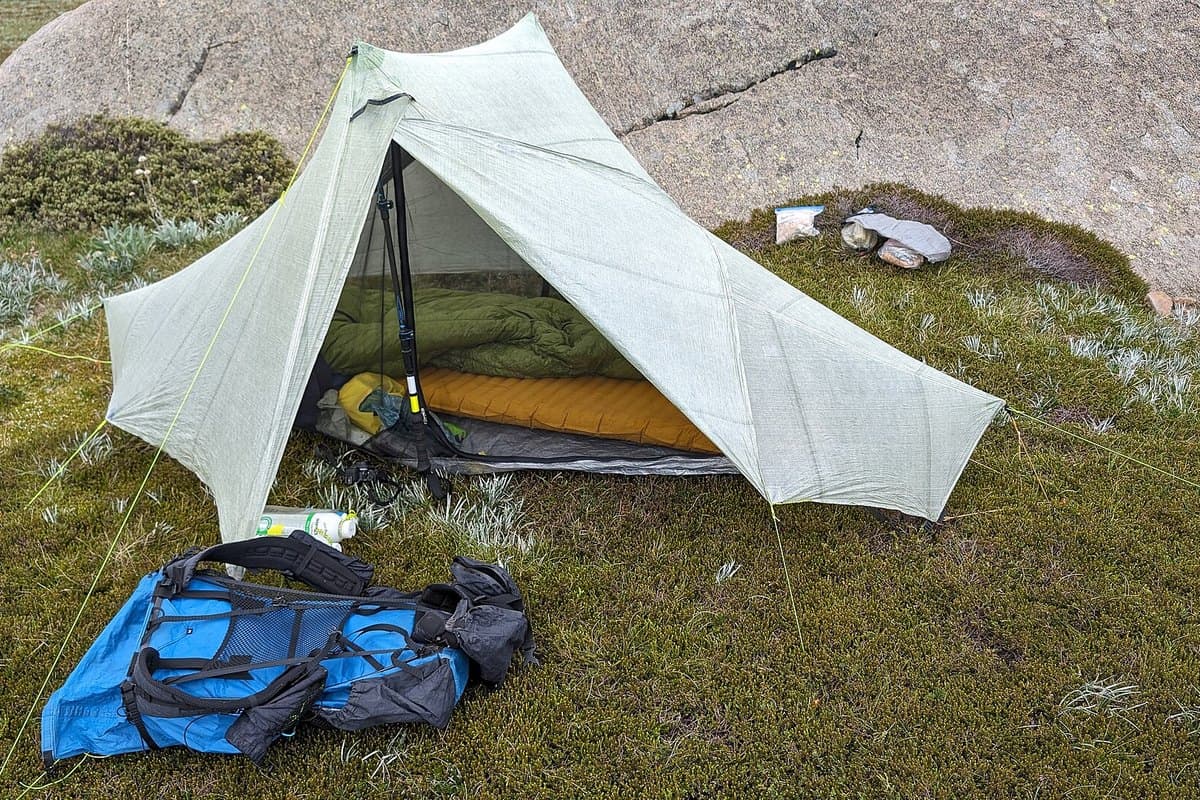
Four-Season Down Sleeping Bag (-20°C / -4°F)
Sleeping & Shelter
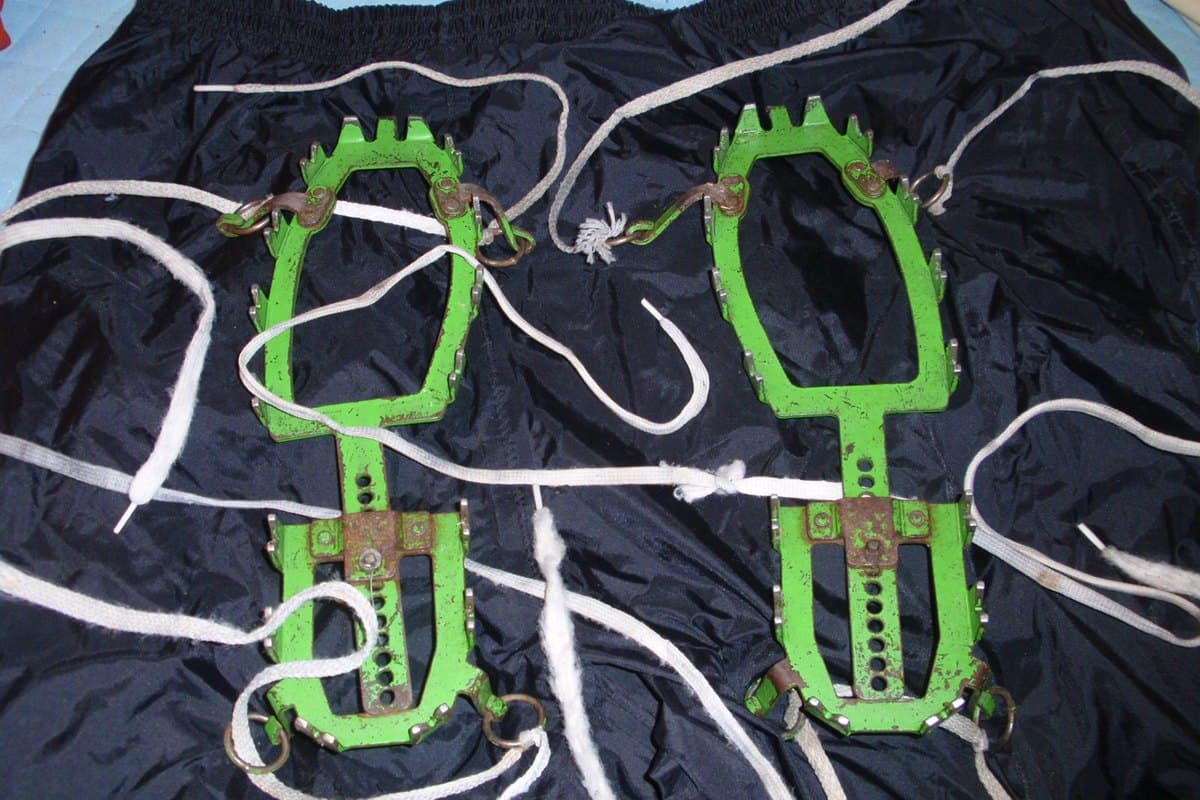
12-Point Mountain Crampons & Alpine Ice Axe
Technical Climbing
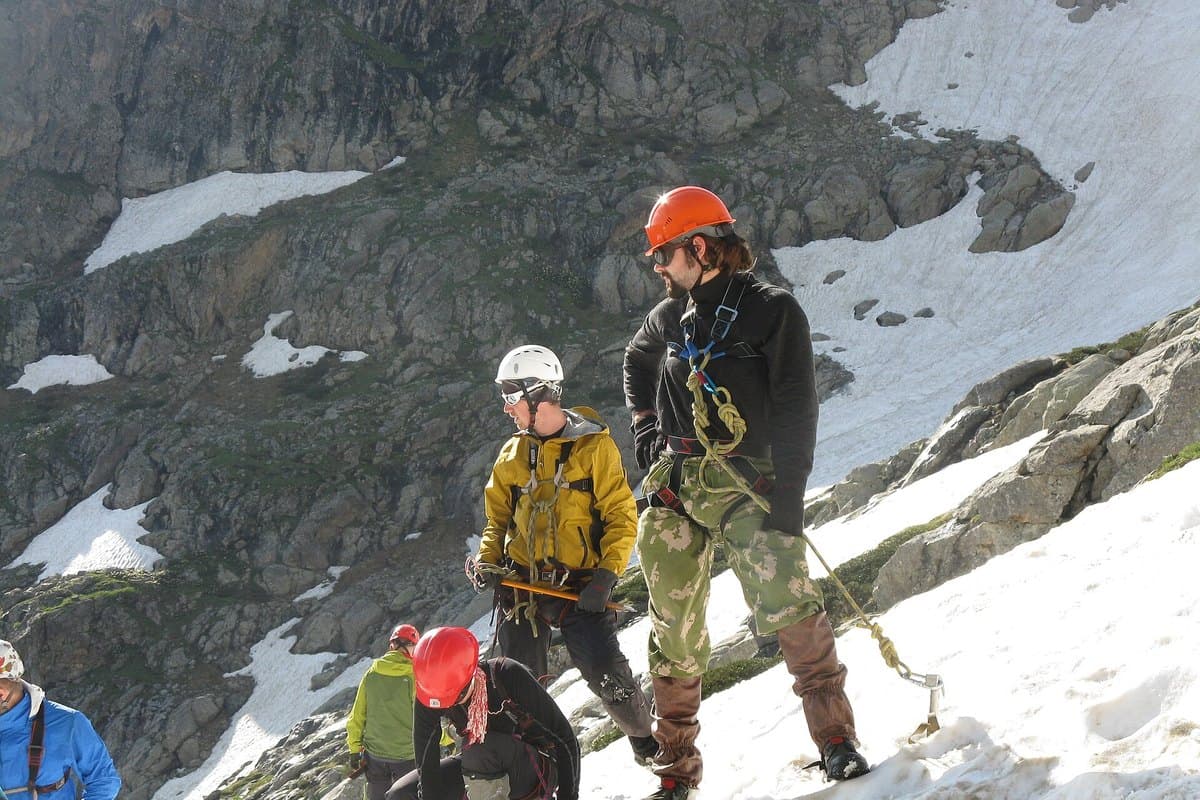
UIAA Mountaineering Helmet & Alpine Sit Harness
Technical Climbing
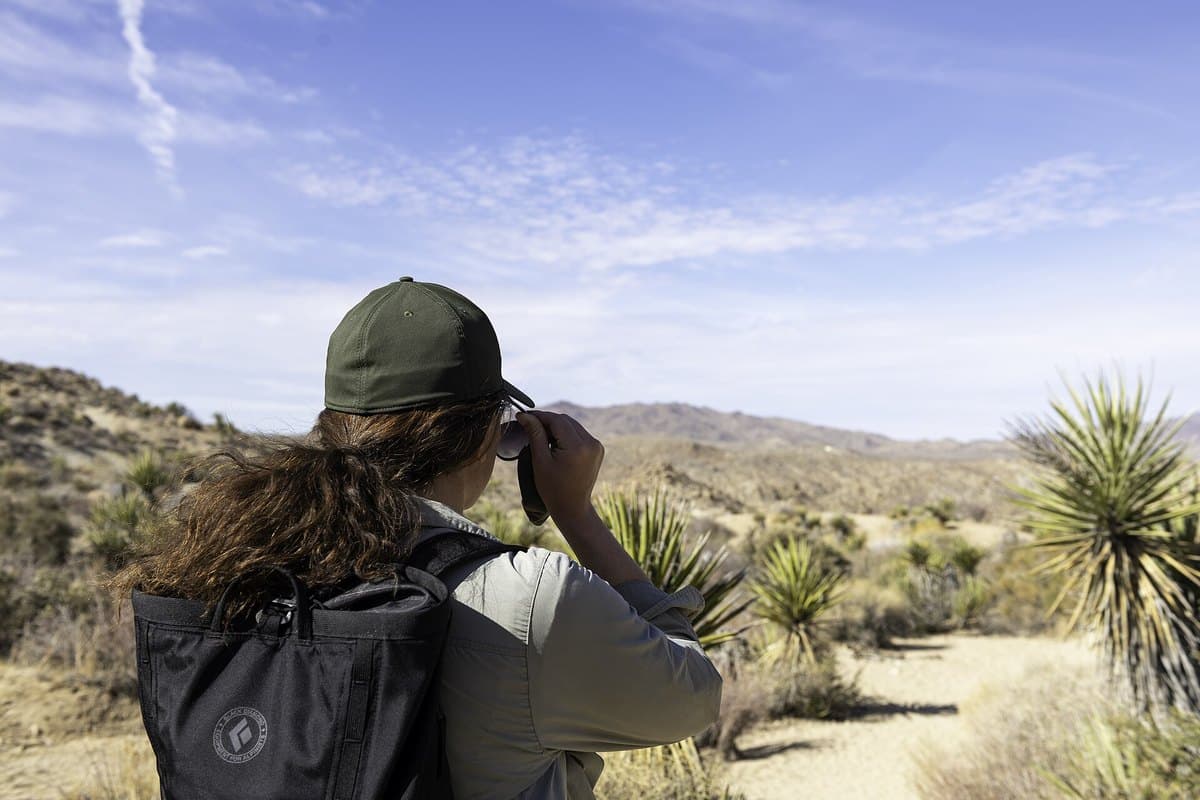
Category 4 Polarized Glacier Sunglasses
Health & Safety
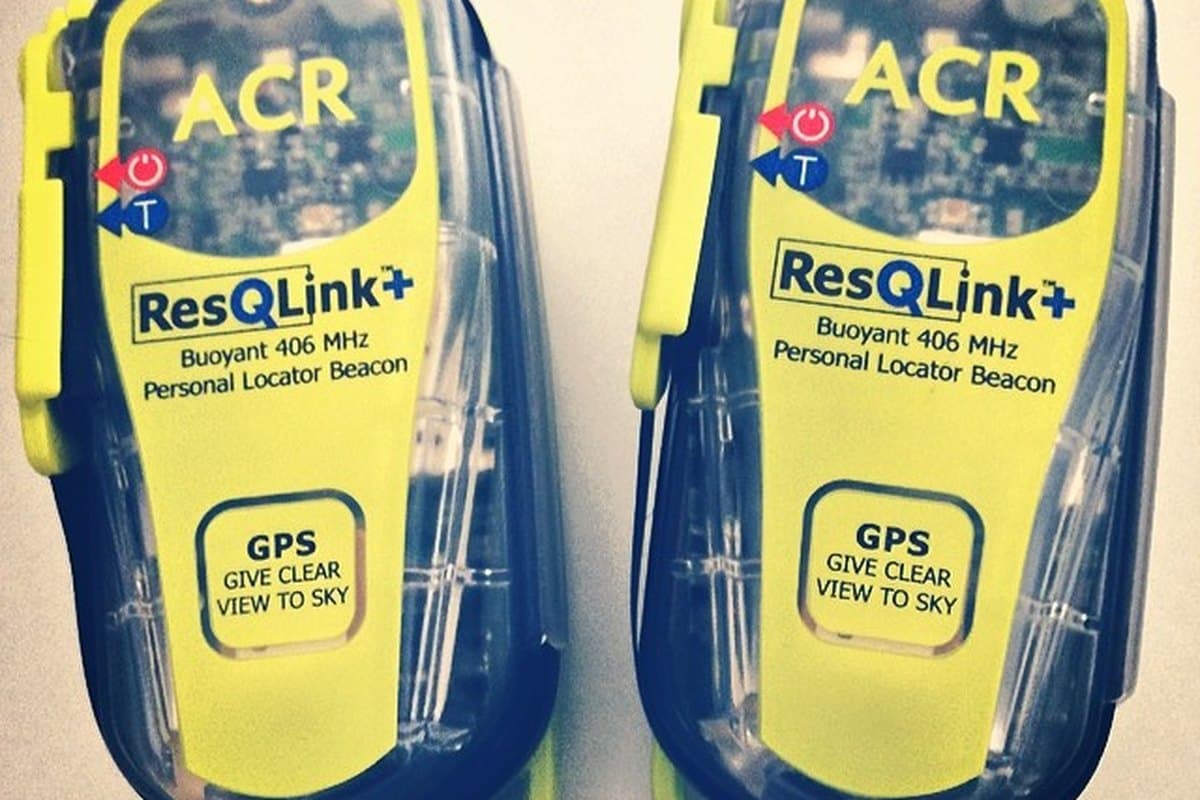
Two-Way Satellite Messenger & Global SOS Tracker
Electronics & Lighting
Everest Base Camp Trek
14 Days • Challenging
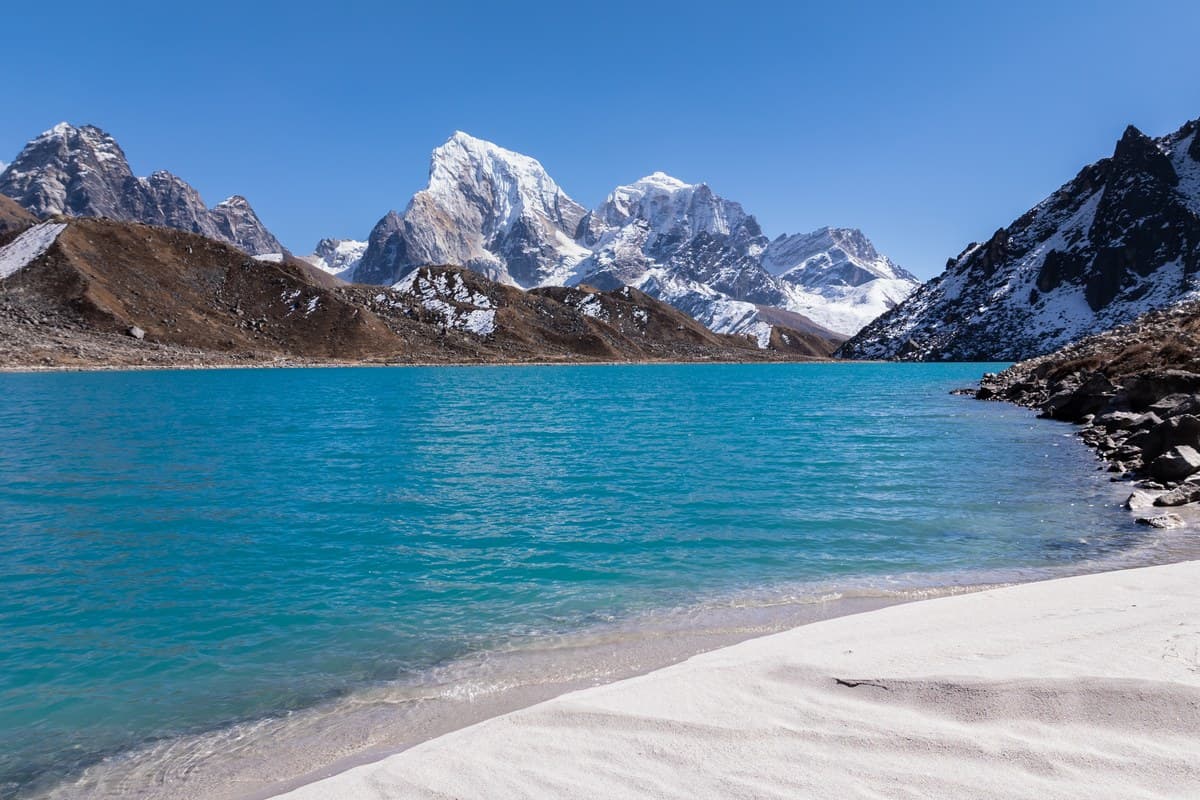
The Grand Adventure
21 Days • Challenging
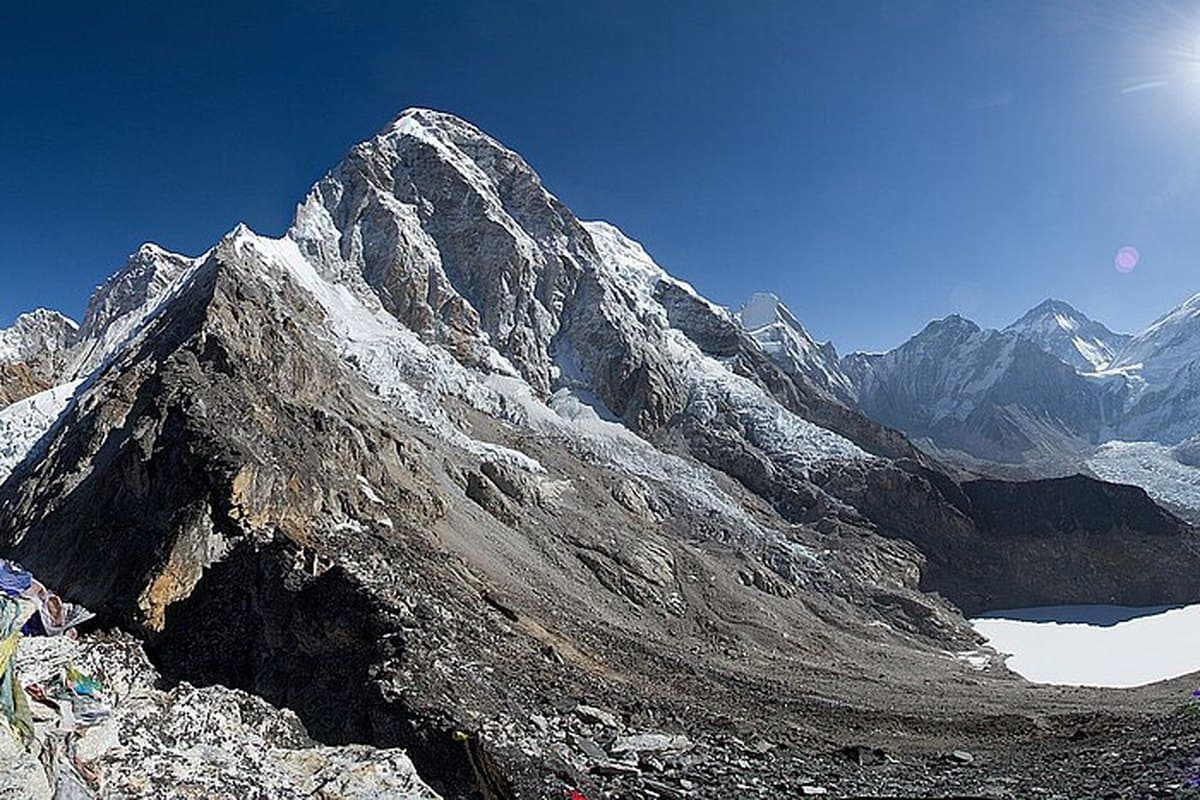
Everest Base Camp Trek
Journey to the World's Highest Mountain
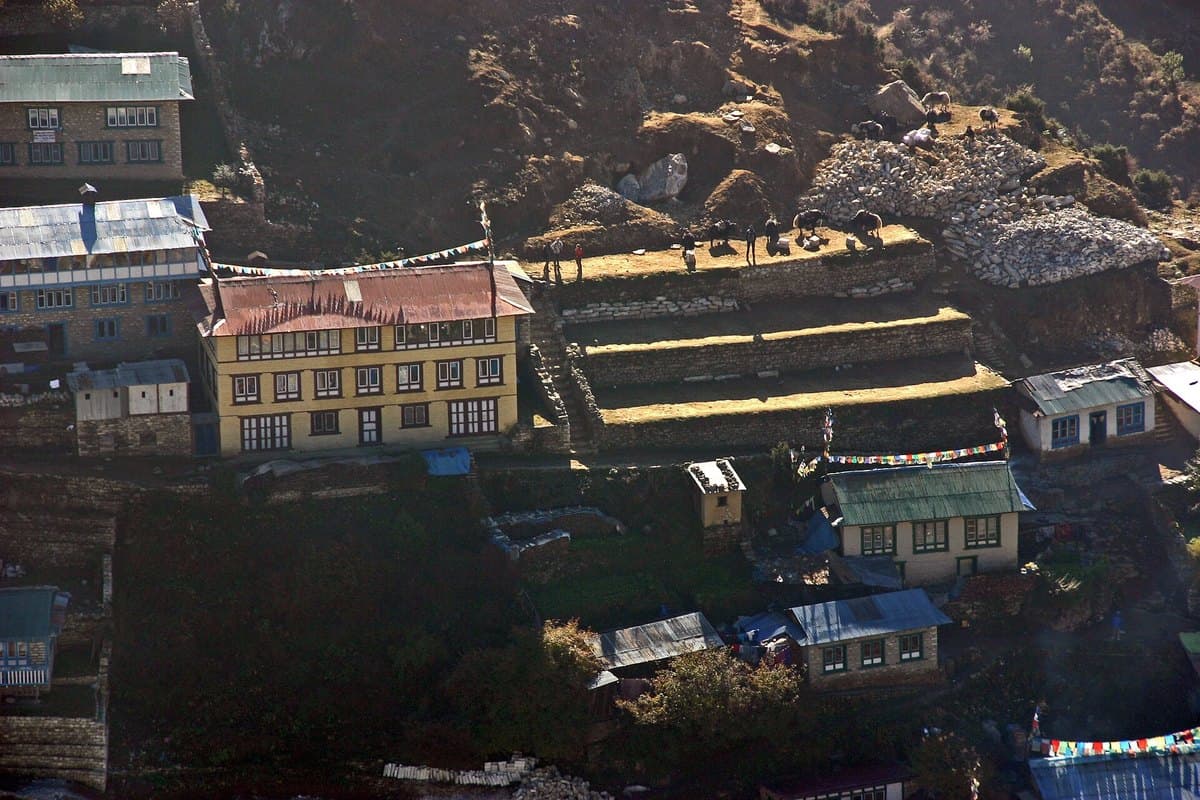
Tea Houses
Authentic Trekking Accommodations
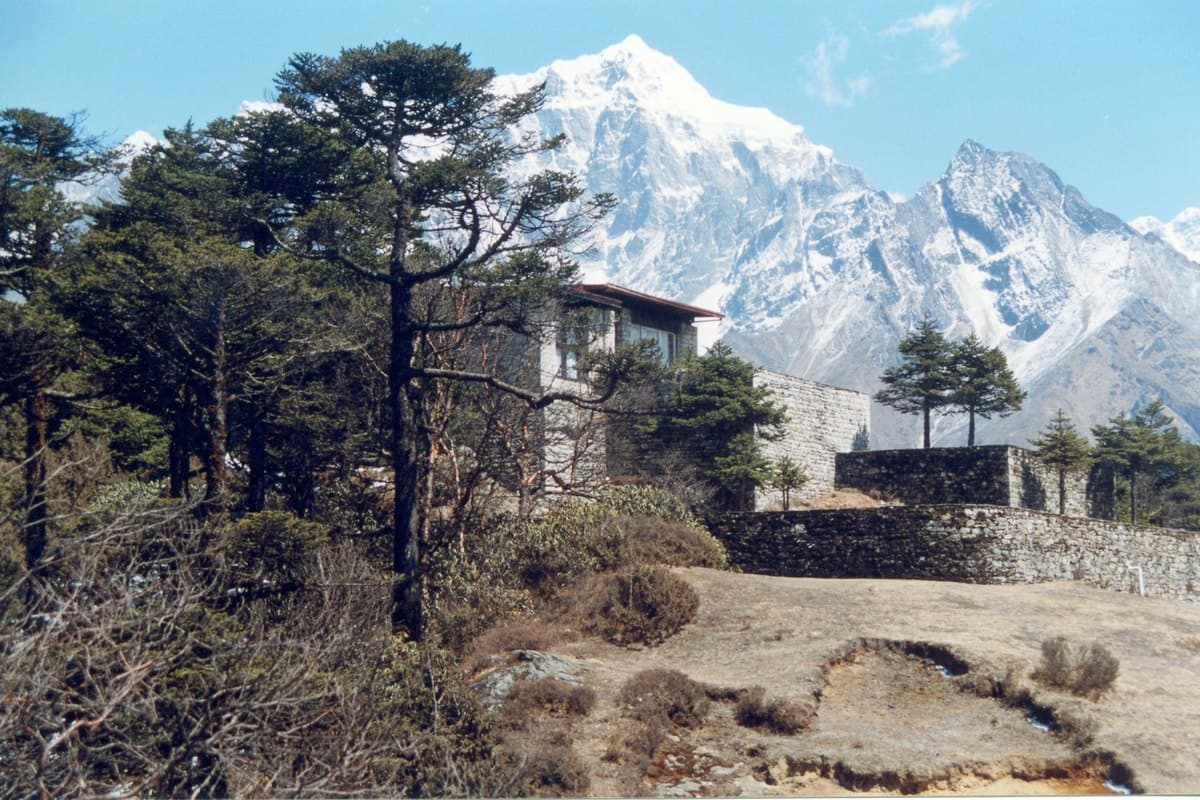
Hotel Everest View
World Record Luxury at 3,880m
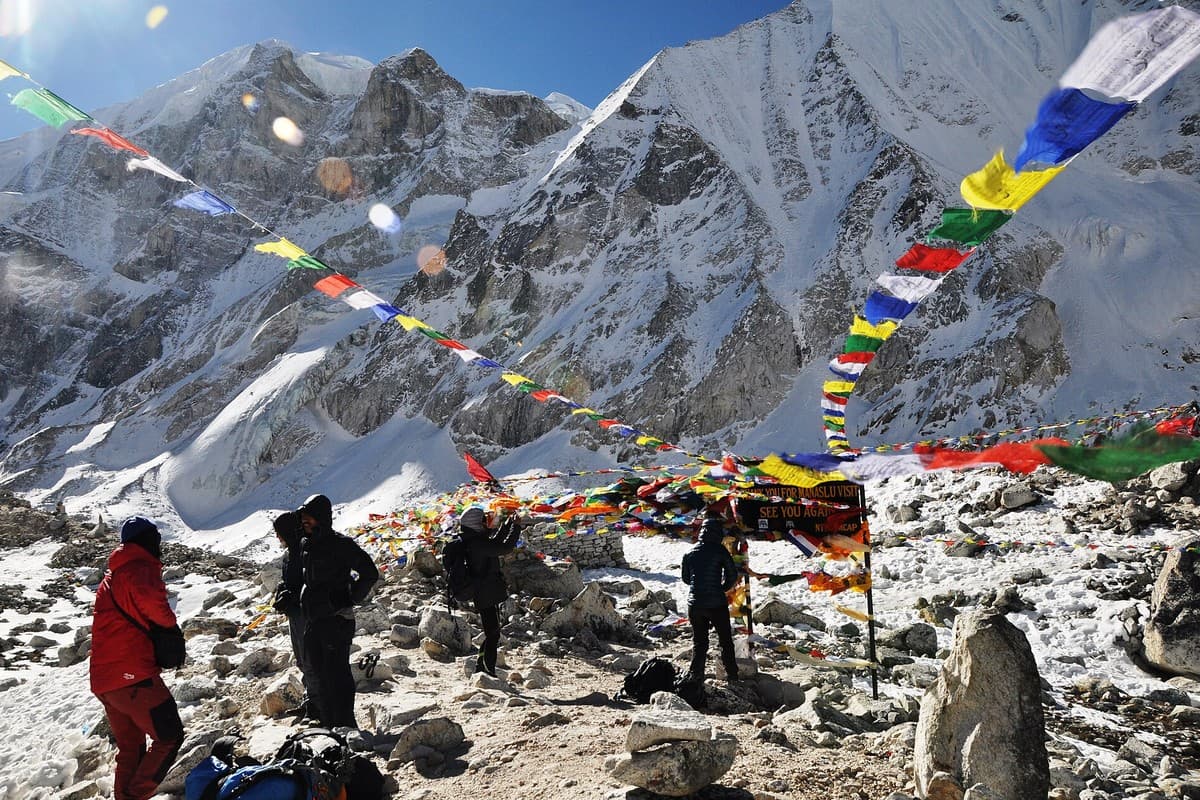
Trekking in Nepal
Walking Through Himalayan Dreams
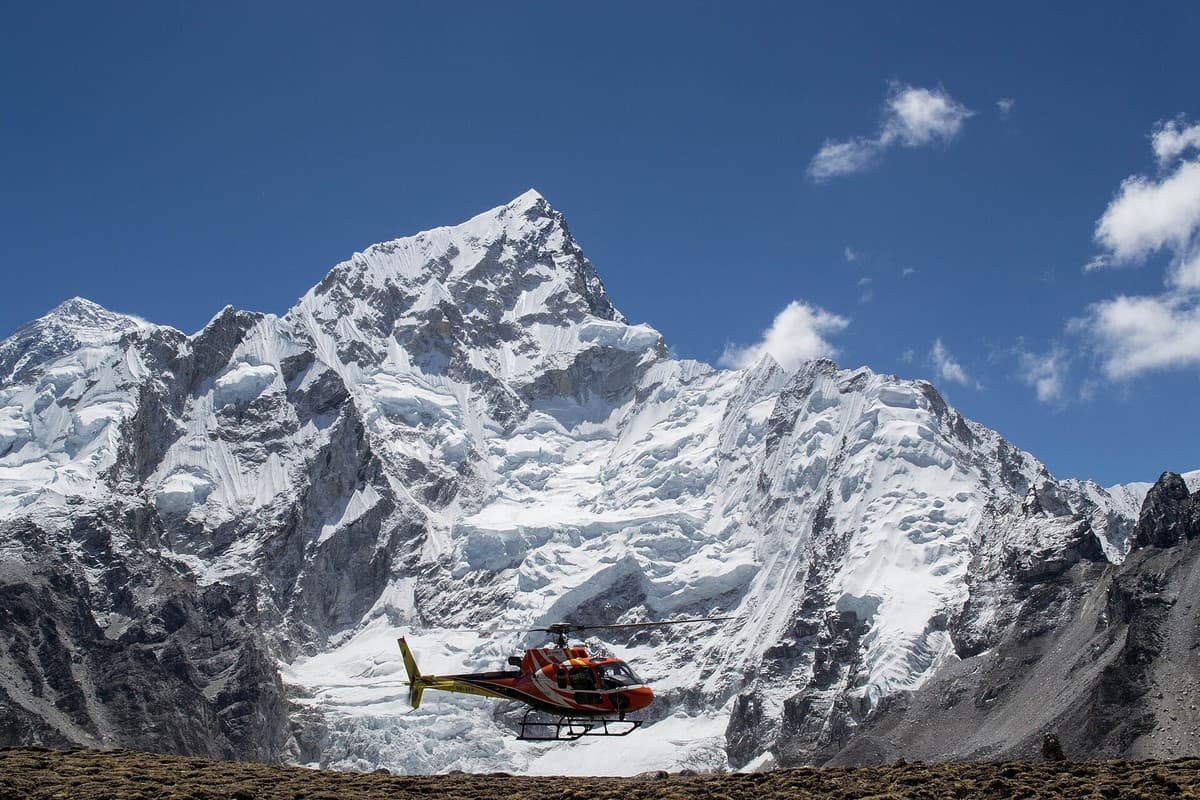
Himalayan Helicopter Tours
Bird's-Eye View of the World's Highest Peaks
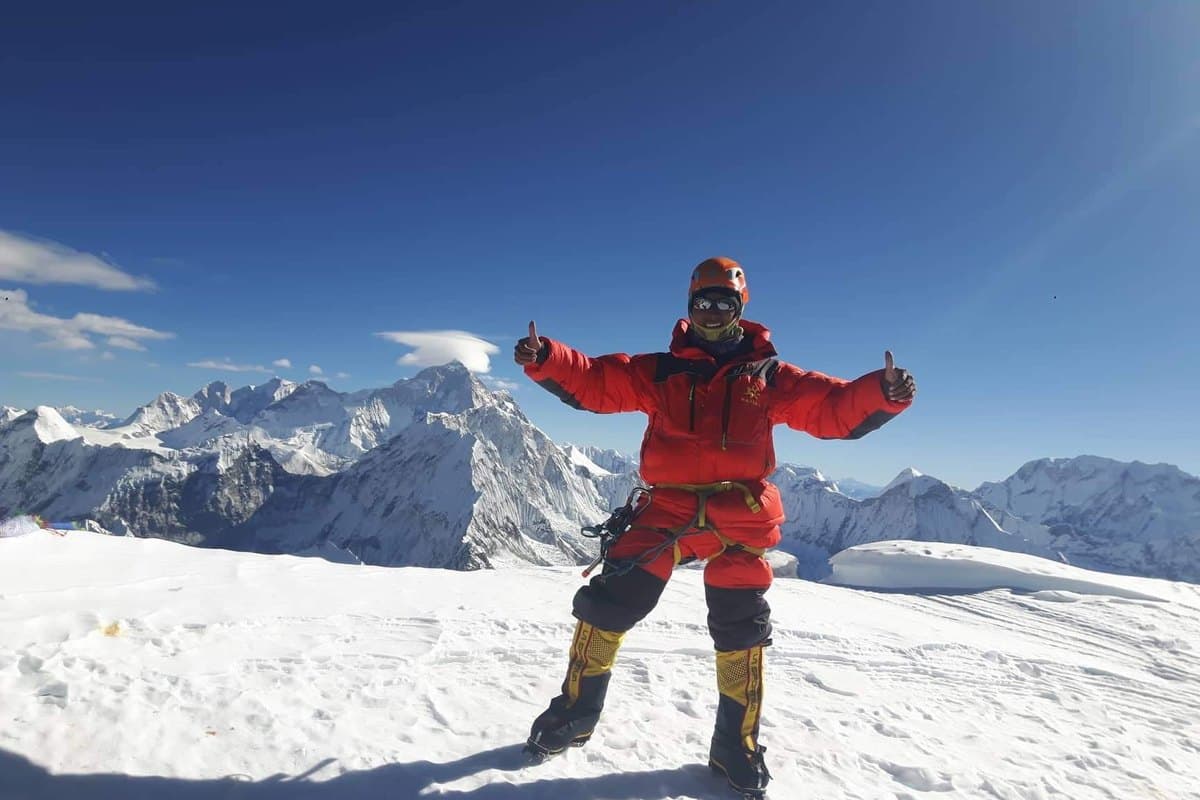
Safety & Health
Travel Safety and Essential Health Information

Best Time to Visit Nepal
Seasonal Guide and Climate Information