
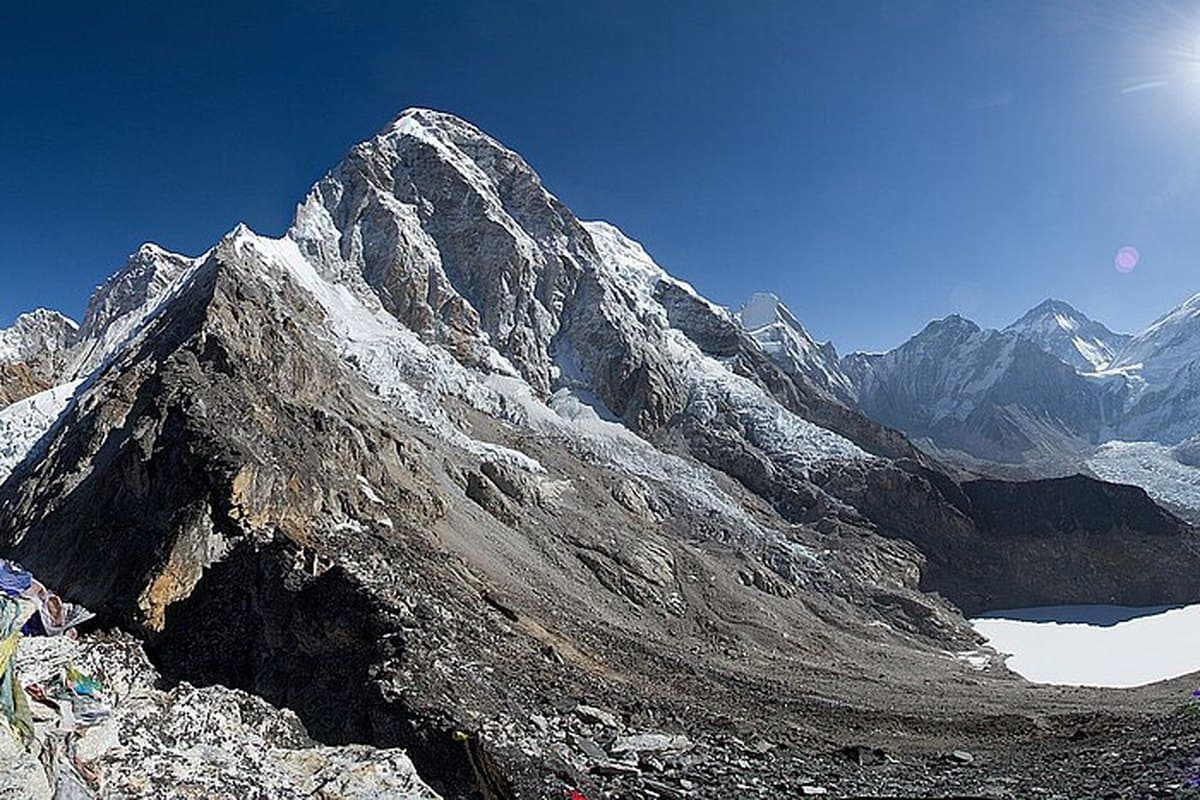
Everest Base Camp Trek
The world's most famous trekking route, the Everest Base Camp Trek is a 12-14 day journey through the Khumbu region to the base of Mount Everest (8,849m). This iconic trek combines high-altitude adventure with immersion in Sherpa culture.
Overview
The Everest Base Camp Trek is not a climb—it's an accessible mountain trek suitable for people with good fitness and altitude tolerance. The route winds through rhododendron forests, terraced villages, prayer flag-draped ridges, and high-altitude terrain, culminating at 5,364m where climbers stage before summit attempts.
History & Culture
The Khumbu region was historically controlled by Sherpa communities engaged in trade with Tibet. The region remained isolated until the 1950s when mountaineers began organizing Everest expeditions. Sir Edmund Hillary and Tenzing Norgay's historic first ascent in 1953 put the region on the world map. The 1996 Everest disaster, immortalized in 'Into Thin Air,' brought international attention to mountaineering risks. Today, the trail sees 50,000+ annual trekkers, making it both popular and challenging to navigate.
Key Highlights
Quick Facts
Duration
12-14 days trekking (including acclimatization days)
Difficulty
Challenging - high altitude and altitude acclimatization critical
Best Season
September-November and March-May
Maximum Altitude
5,545m (Kala Patthar)
Starting Altitude
2,860m (Lukla)
Estimated Cost
Trek costs: USD 1000-1500 (guide + porter + accommodation)
📅Best Time
Pre-monsoon (Late February to May): Clear skies gradually improving, temperatures warming from -5°C to 10°C, rhododendrons blooming. Post-monsoon (Late August to November): Crystal-clear air, stable weather, temperatures 0-20°C at base, night temperatures dropping to -15°C. Avoid June-August (monsoon—cloudy, leeches in lower sections) and December-January (extreme cold, many tea-houses closed, wind storms).
✈️Getting There
Daily flights from Kathmandu to Lukla (45 minutes, USD 150-200 return) on small aircraft. Scenic flight includes mountain views. Alternative: 7-hour drive to Ramechhap then helicopter/flight. Return flights often delayed due to weather—build in 2-3 extra days. Critical: Book return flights only after arriving Lukla due to weather uncertainty.
💡Travel Tips
- •Acclimatization is non-negotiable: 'Climb high, sleep low' every day. Extra acclimatization days prevent altitude sickness.
- •Altitude sickness can affect anyone regardless of fitness: symptoms include headache, nausea, dizziness. Descend immediately if severe.
- •Gradual pace is essential: 2-3 hours daily trekking, rest days built in. Rushing leads to sickness and failed treks.
- •Hydration critical: Drink 3-4 liters daily. High altitude increases water loss dramatically.
- •Diamox (acetazolamide) taken 2-3 days before trek helps acclimatization but isn't a substitute for pacing.
- •Cost money carefully: Bring USD 1000-1500 in small bills (ATMs in Namche charge 2% fees and often malfunction).
- •Porter ethics matter: Hire through reputable companies ensuring guides earn USD 30+/day, porters USD 15+/day. Verify maximum load (20kg per porter).
- •Gear essentials: Quality trekking boots with ankle support, down jacket rated -10°C, thermal layers, sleeping bag -10°C, sunscreen, sunglasses.
- •Travel insurance mandatory: Must cover altitude to 5,500m+ and helicopter evacuation (costs USD 5,000+).
- •Physical training critical: 6-8 weeks of stair climbing with weighted backpack, long hikes, and cardio recommended.
- •Weather unpredictable: Afternoon storms common; start early and finish by 2-3 PM.
- •Respect Sherpa culture: Don't point at mountains, ask before photographing, pay fair wages, support local community.
Connected Nepal Guides & Essentials
19 connected resources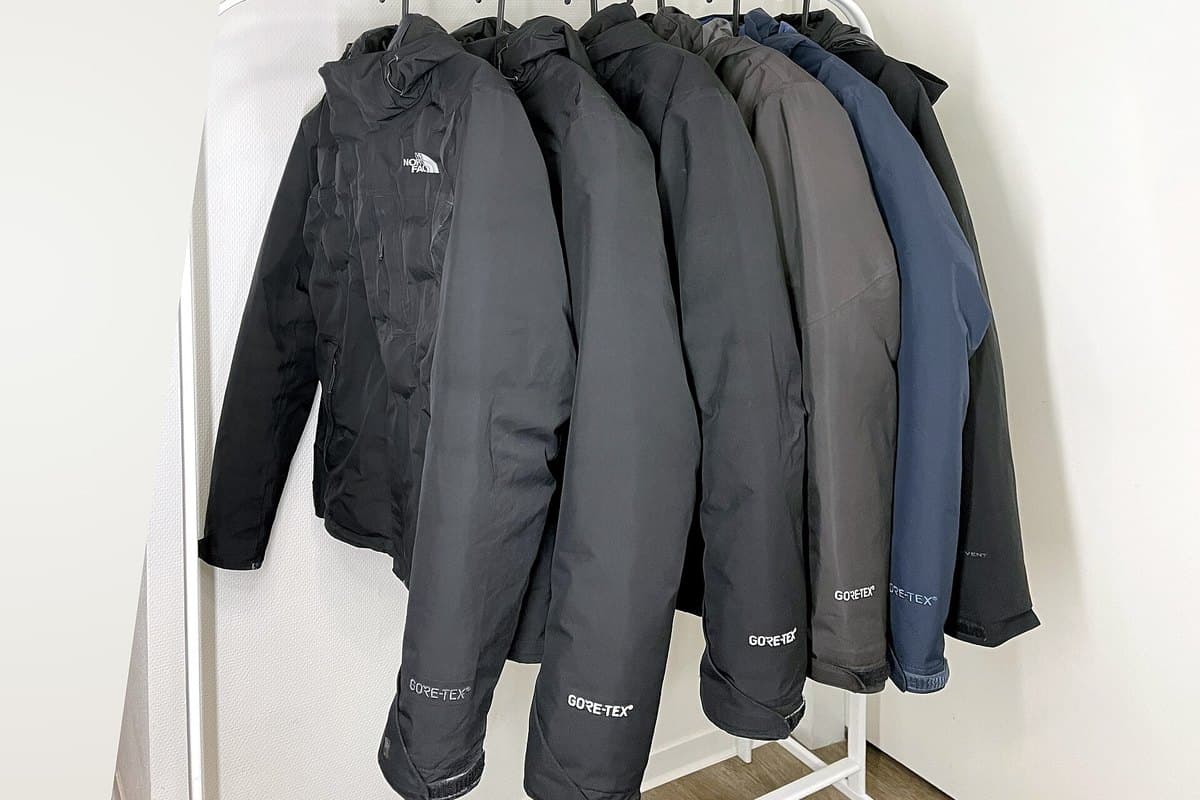
800-Fill Goose Down Expedition Jacket
Apparel & Insulation
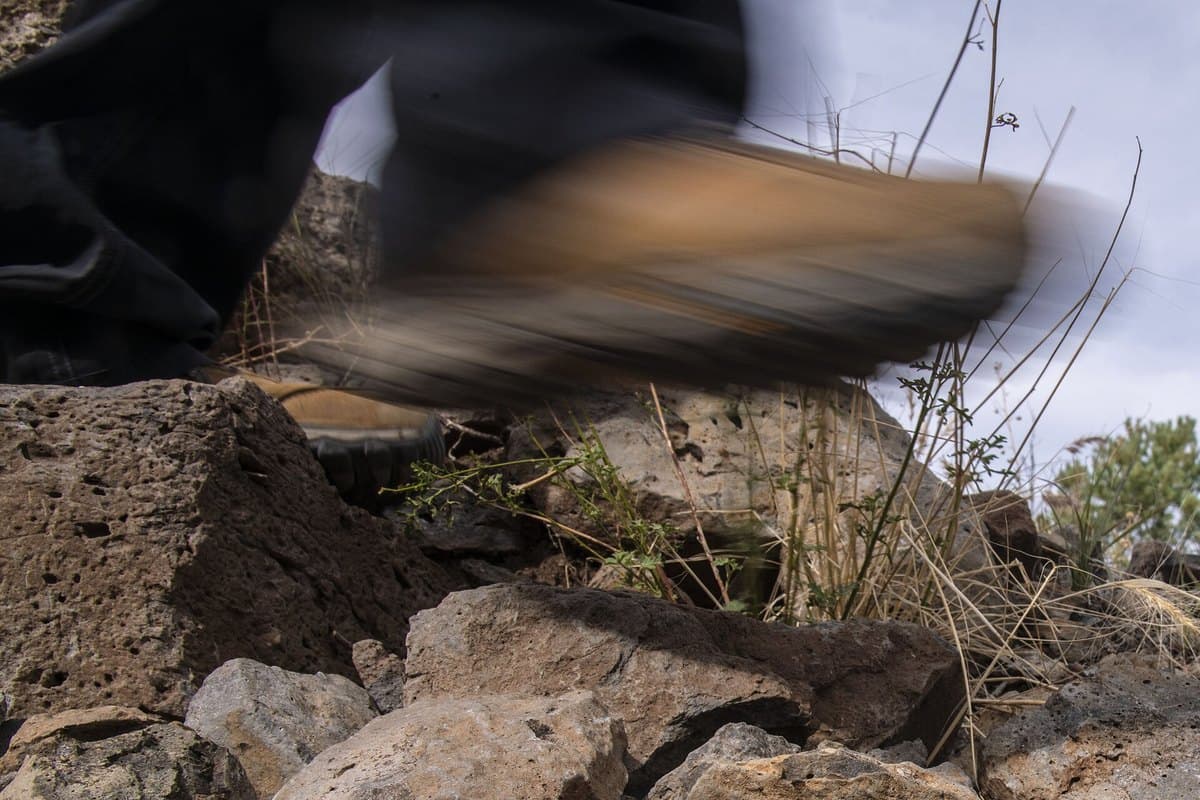
Gore-Tex Waterproof Mountain Trekking Boots
Footwear
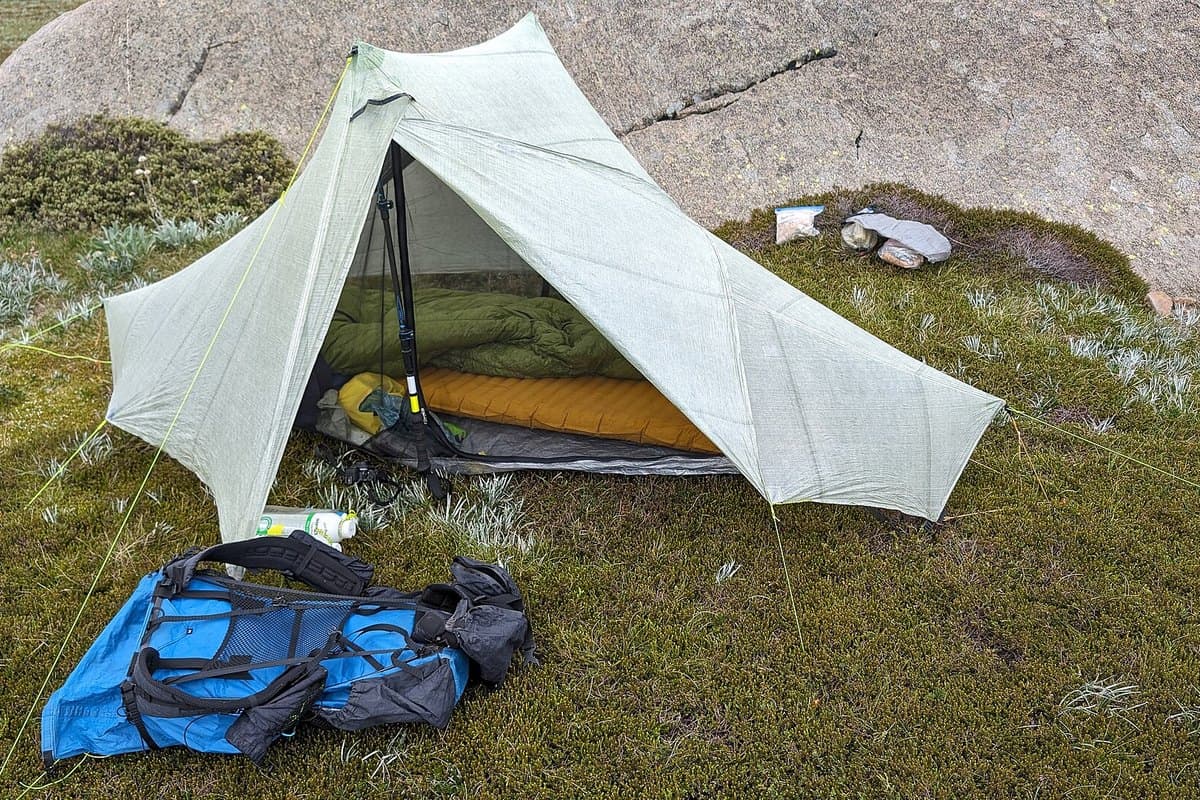
Four-Season Down Sleeping Bag (-20°C / -4°F)
Sleeping & Shelter
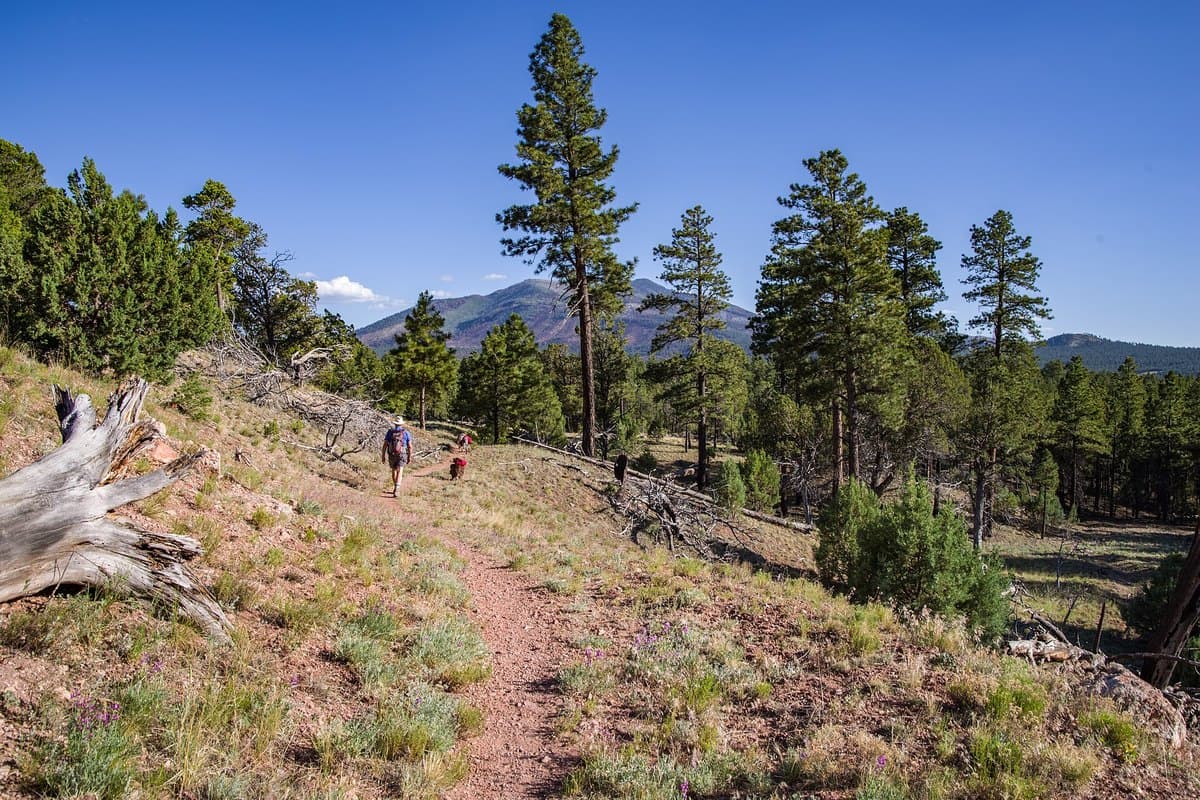
Carbon Fiber Anti-Shock Trekking Poles
Trekking Accessories
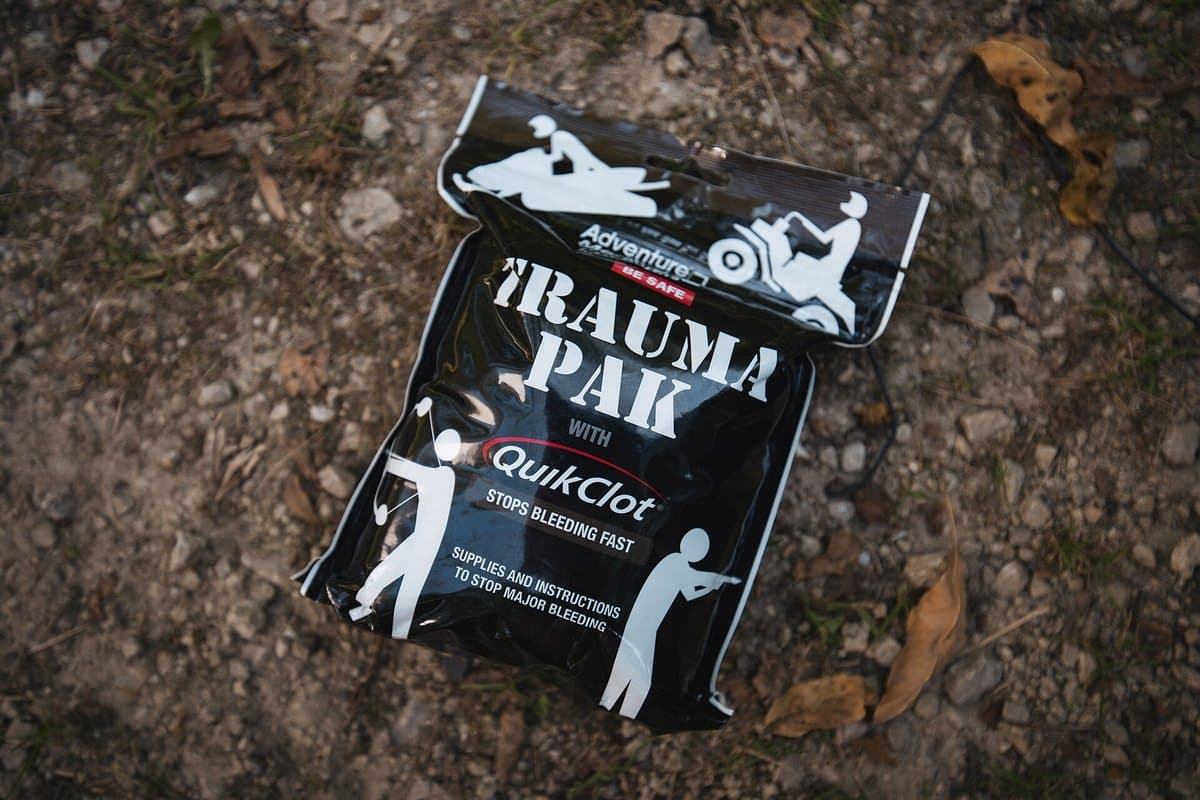
Himalayan Expedition Medical & Altitude Sickness Kit
Health & Safety
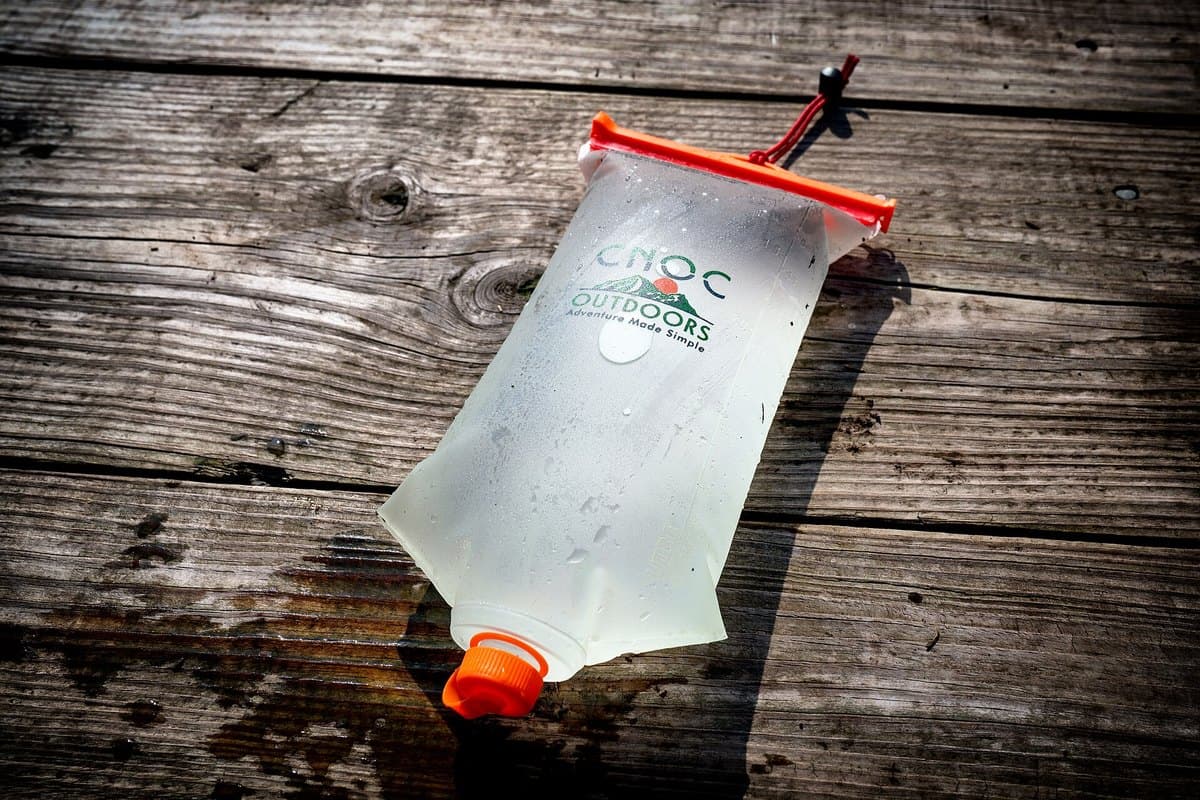
UV SteriPEN & Micro-Filtration Purifier
Health & Safety
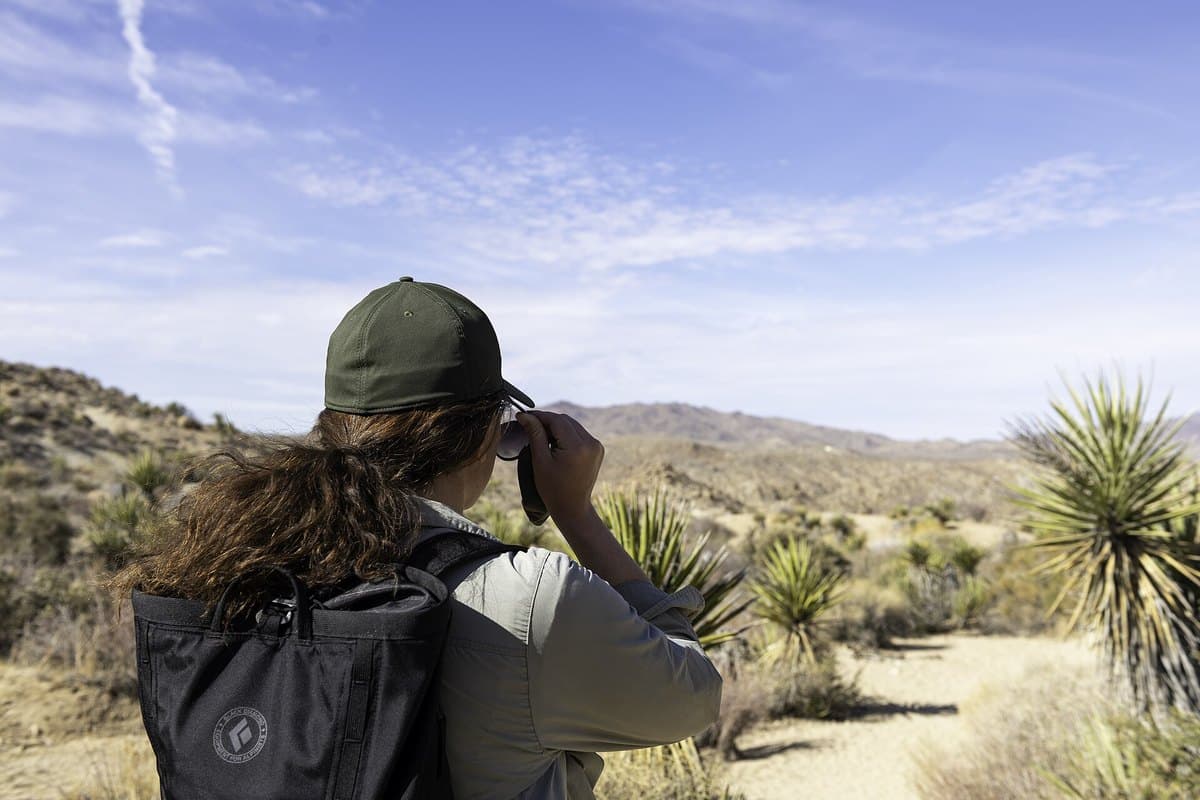
Category 4 Polarized Glacier Sunglasses
Health & Safety
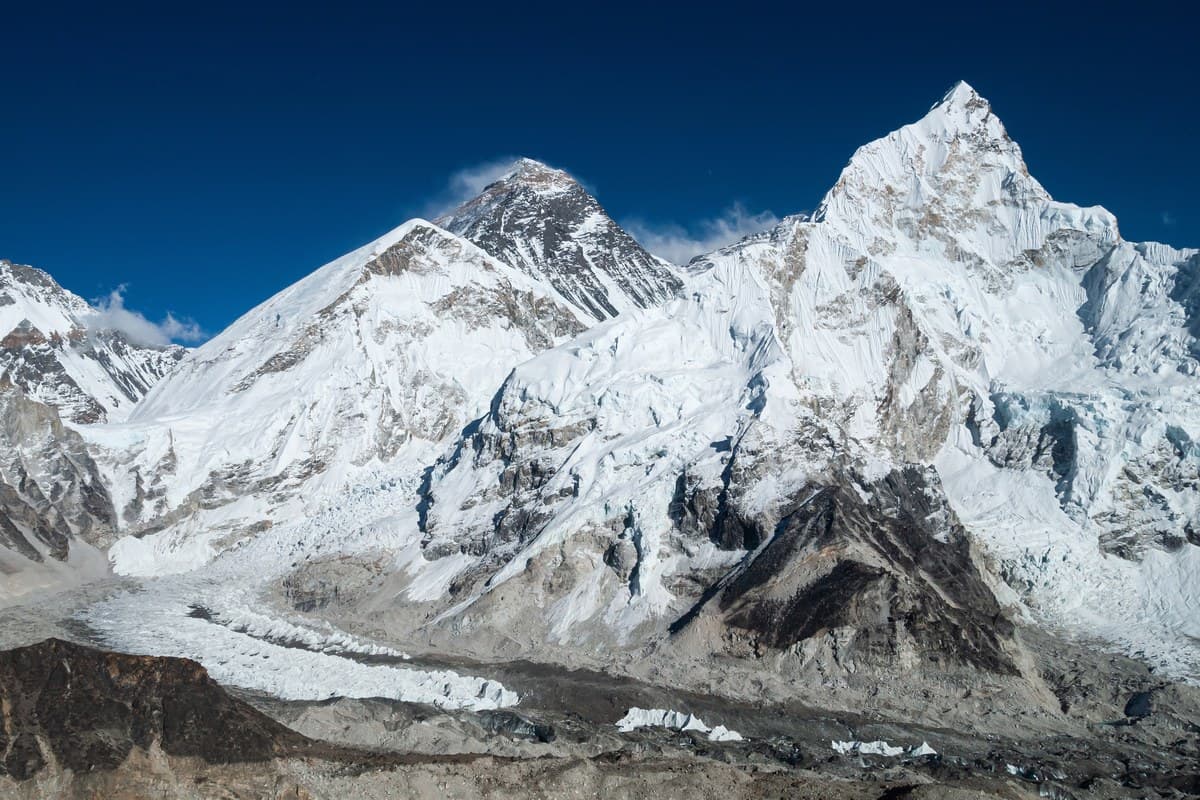
Everest Base Camp Trek
14 Days • Challenging
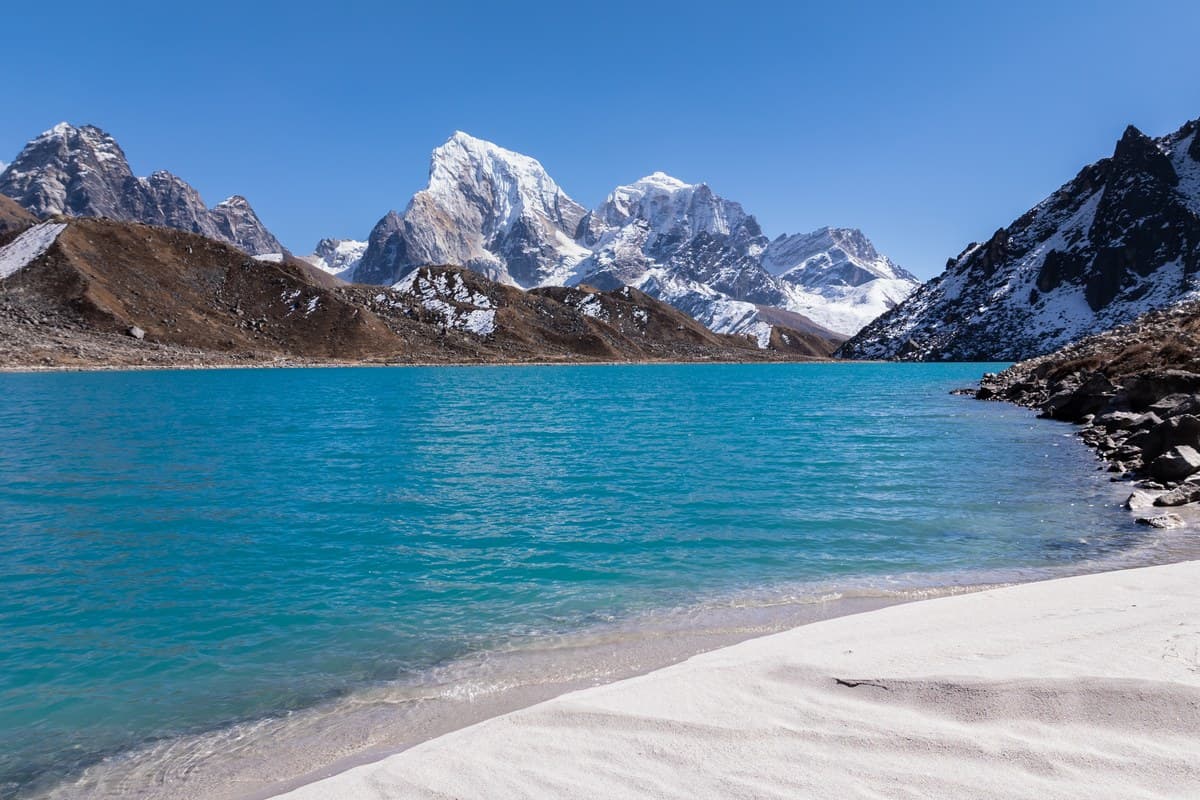
The Grand Adventure
21 Days • Challenging
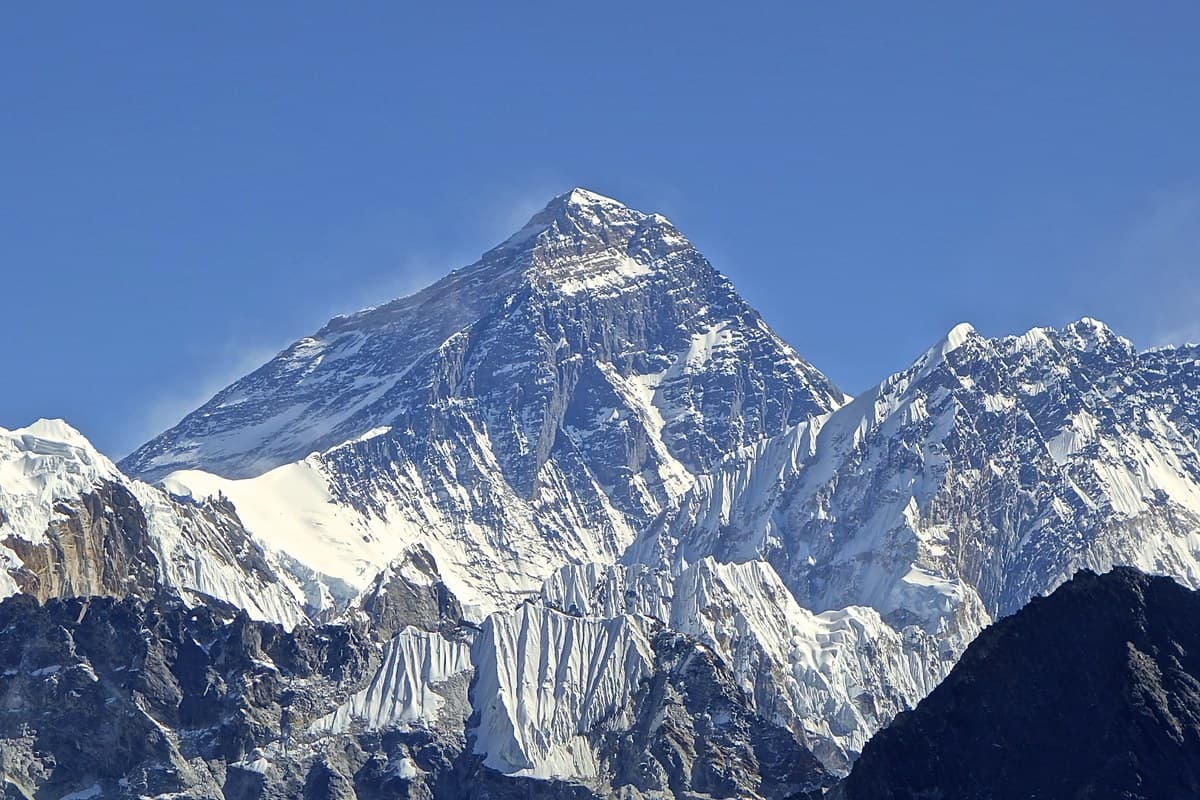
Mount Everest (Sagarmatha)
8,848.86m (29,031.7ft)
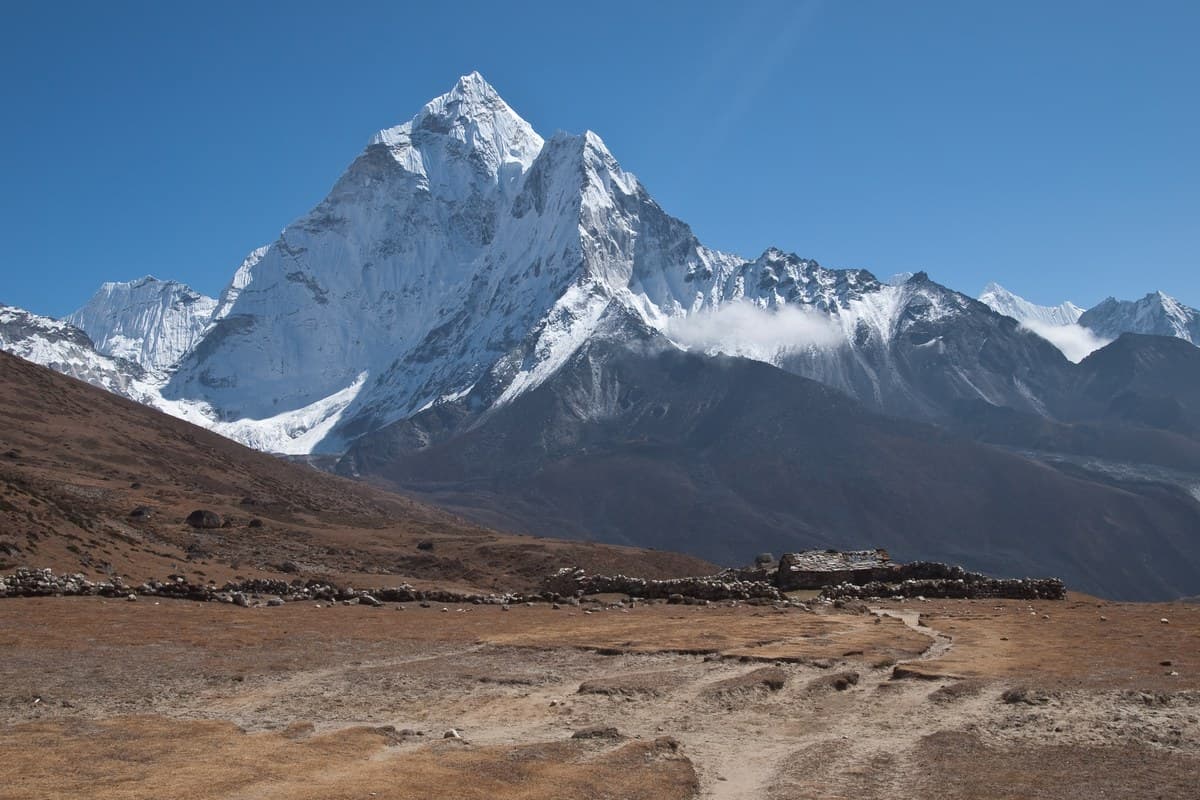
Ama Dablam
6,812m (22,349ft)
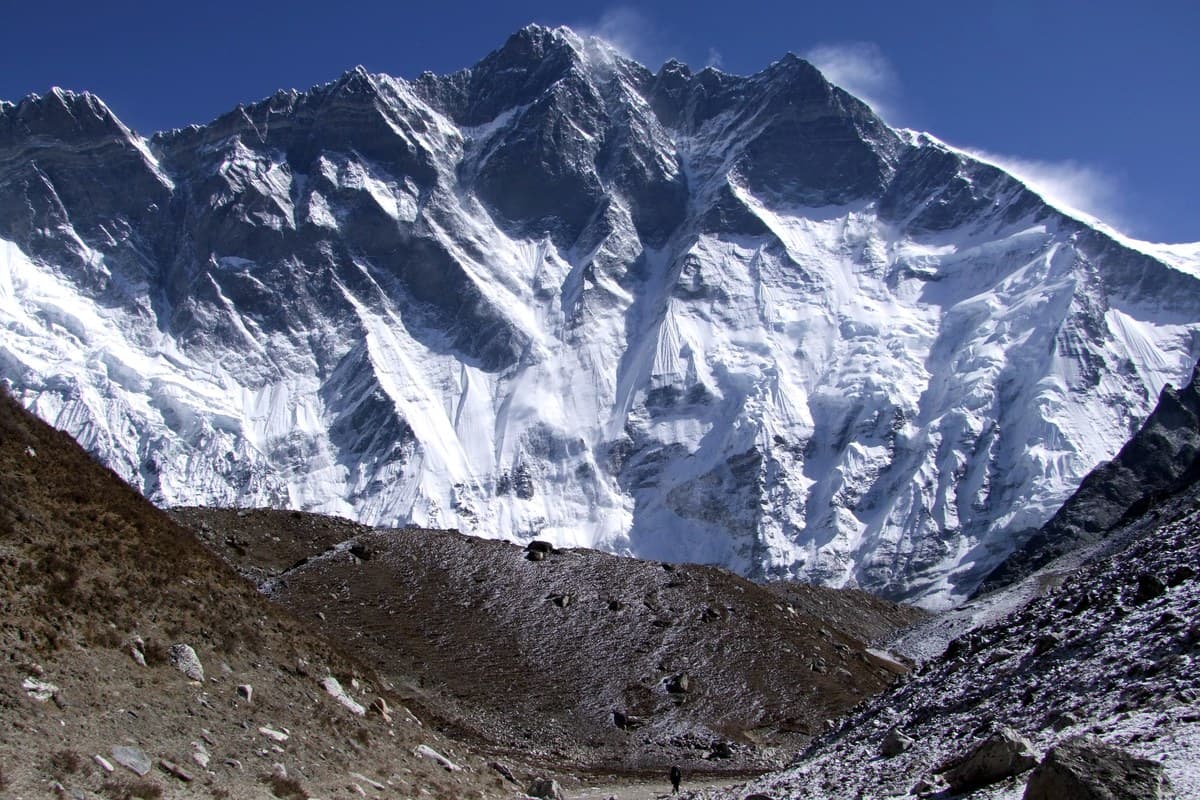
Lhotse
8,516m (27,940ft)
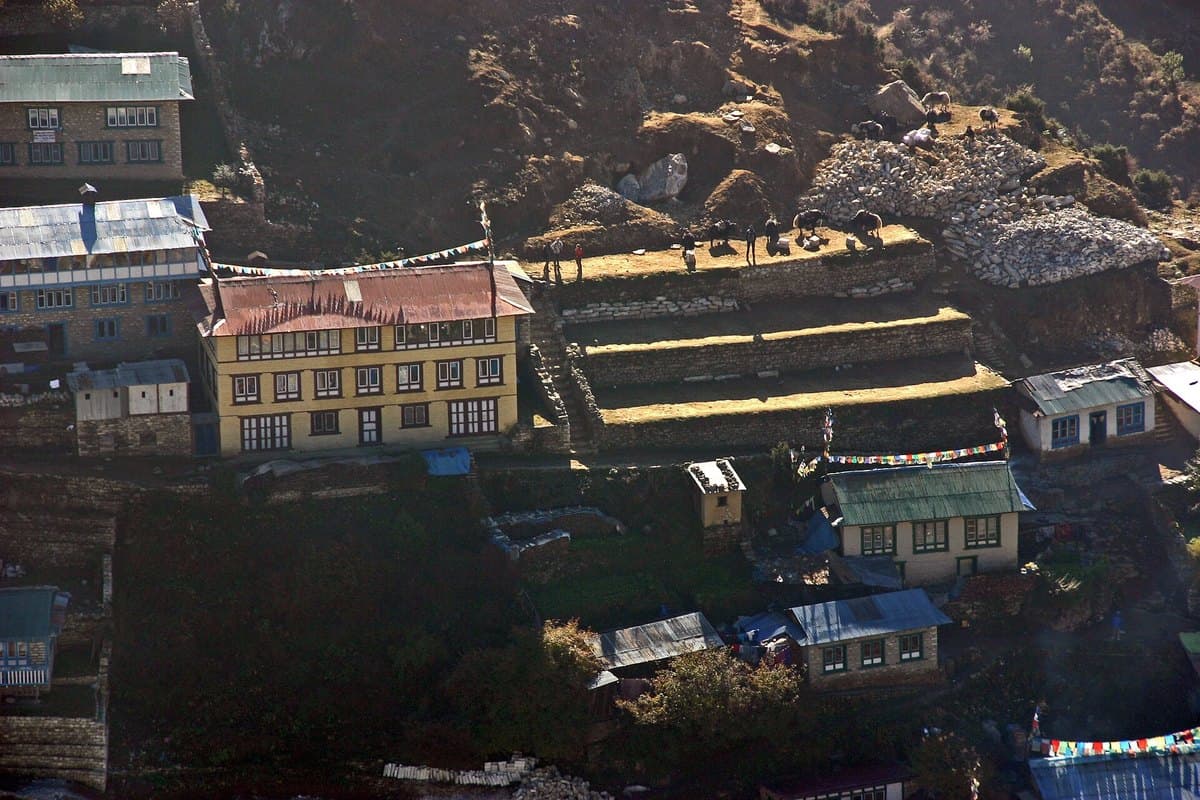
Tea Houses
Authentic Trekking Accommodations
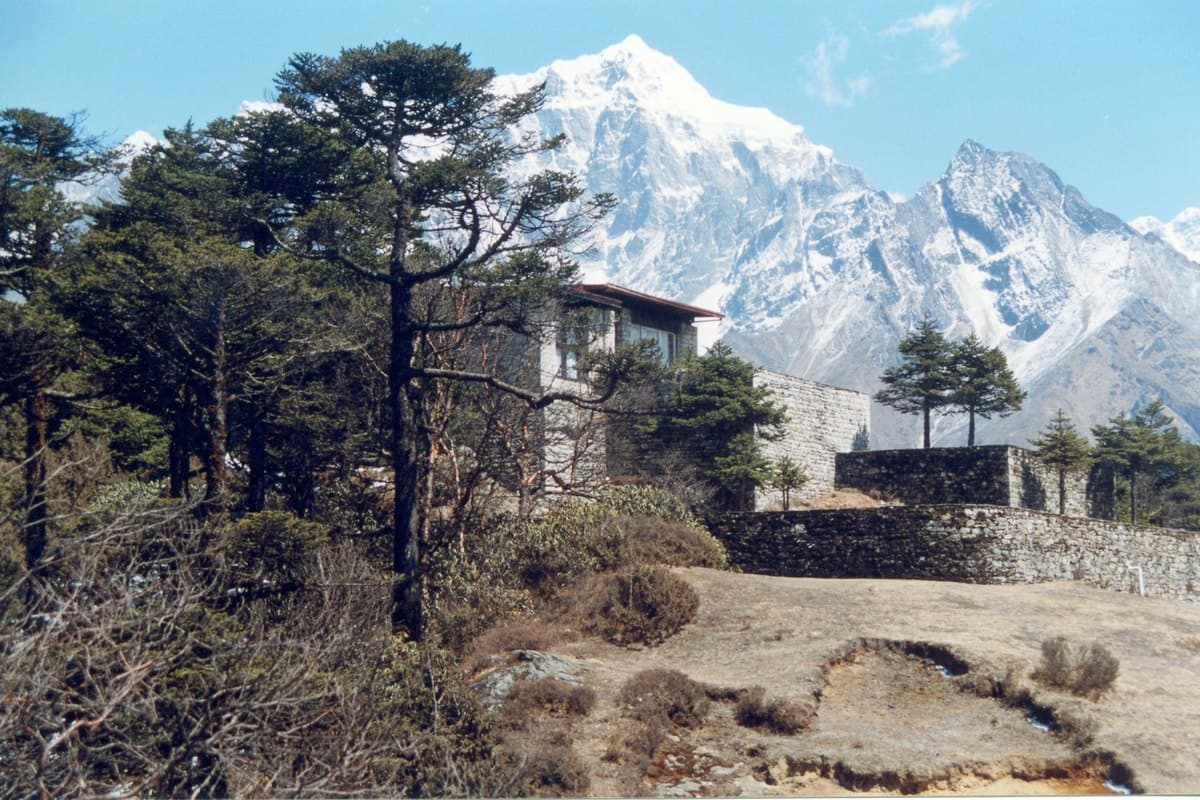
Hotel Everest View
World Record Luxury at 3,880m
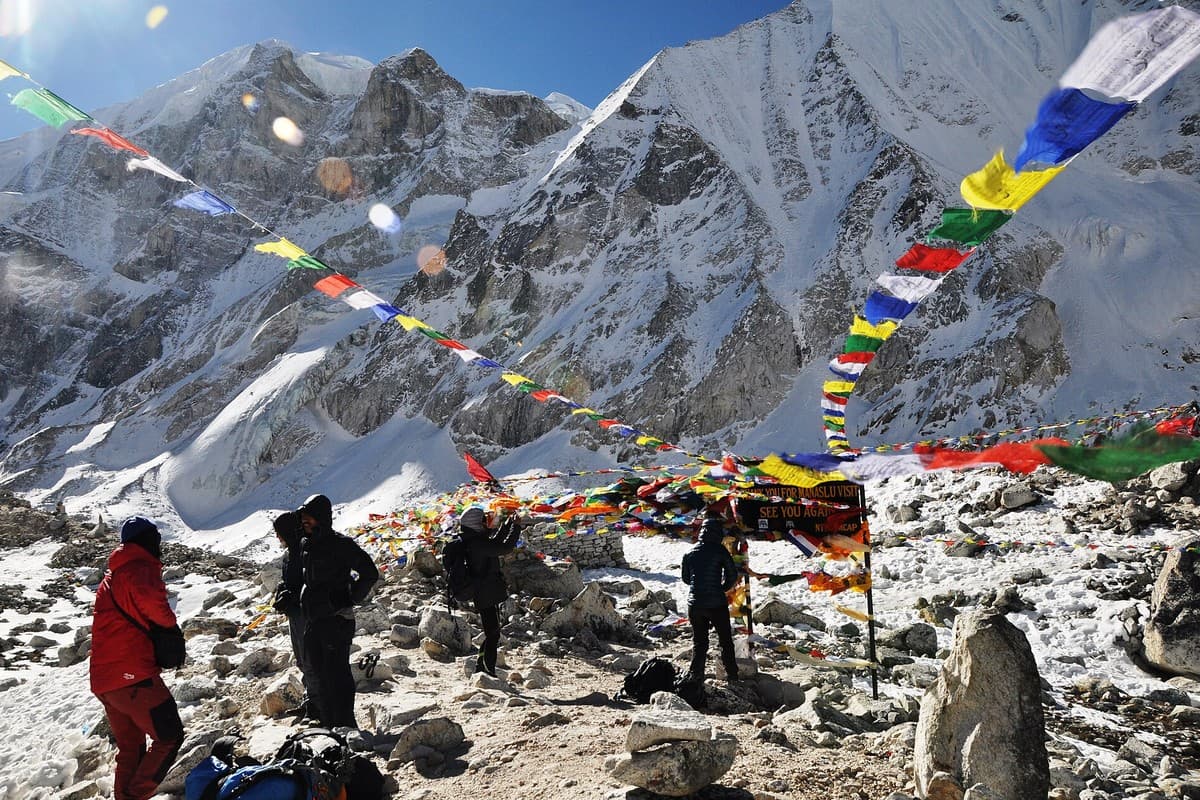
Trekking in Nepal
Walking Through Himalayan Dreams
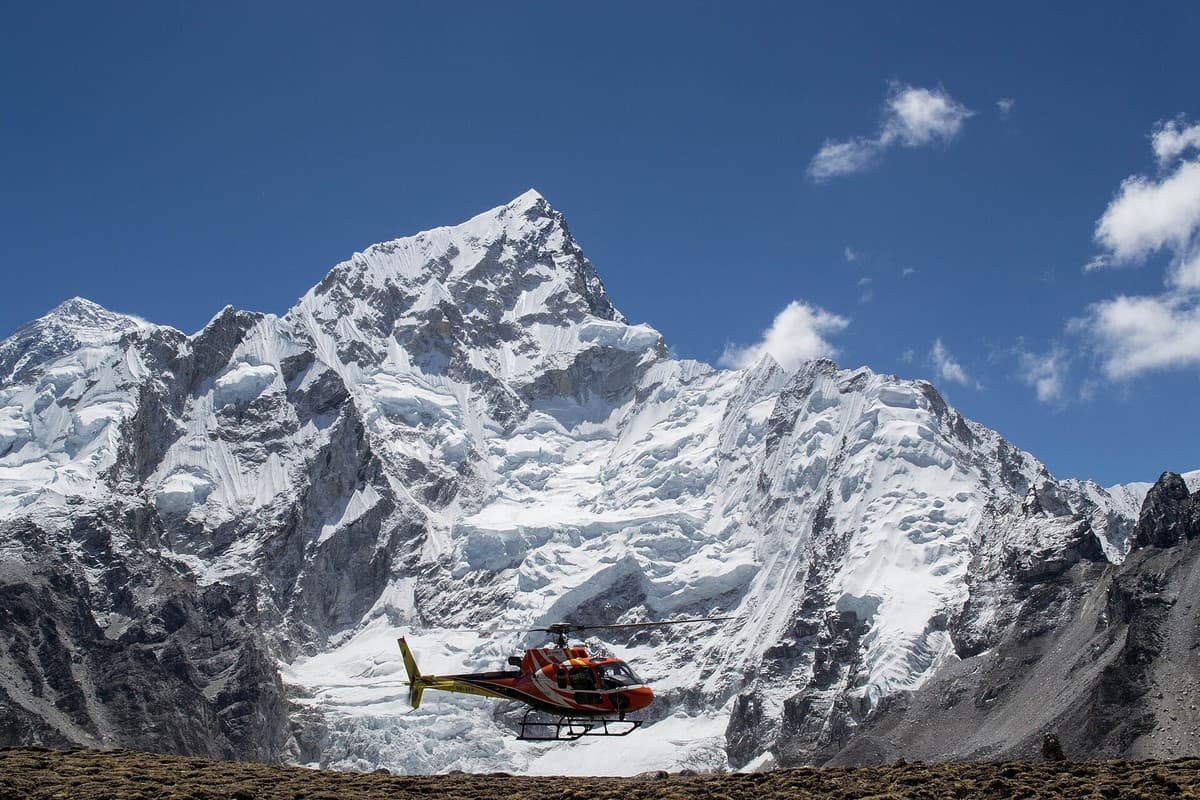
Himalayan Helicopter Tours
Bird's-Eye View of the World's Highest Peaks
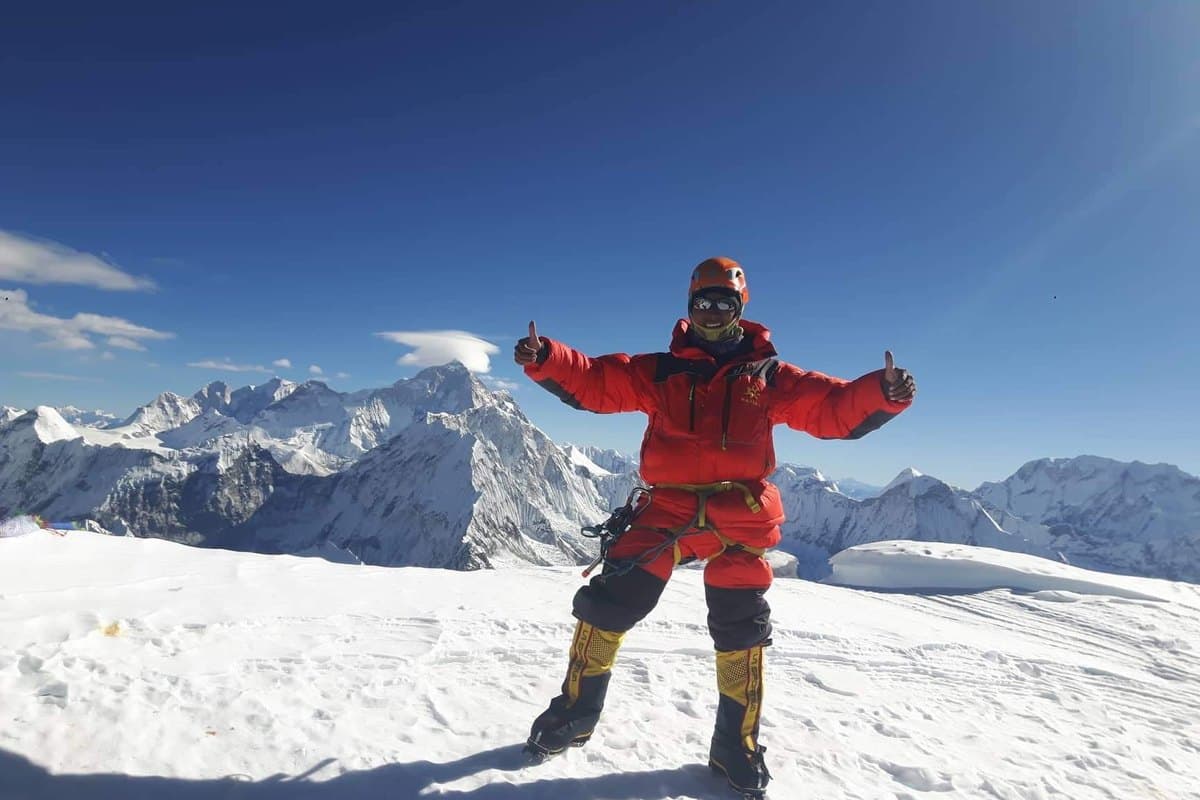
Safety & Health
Travel Safety and Essential Health Information
Best Time to Visit Nepal
Seasonal Guide and Climate Information
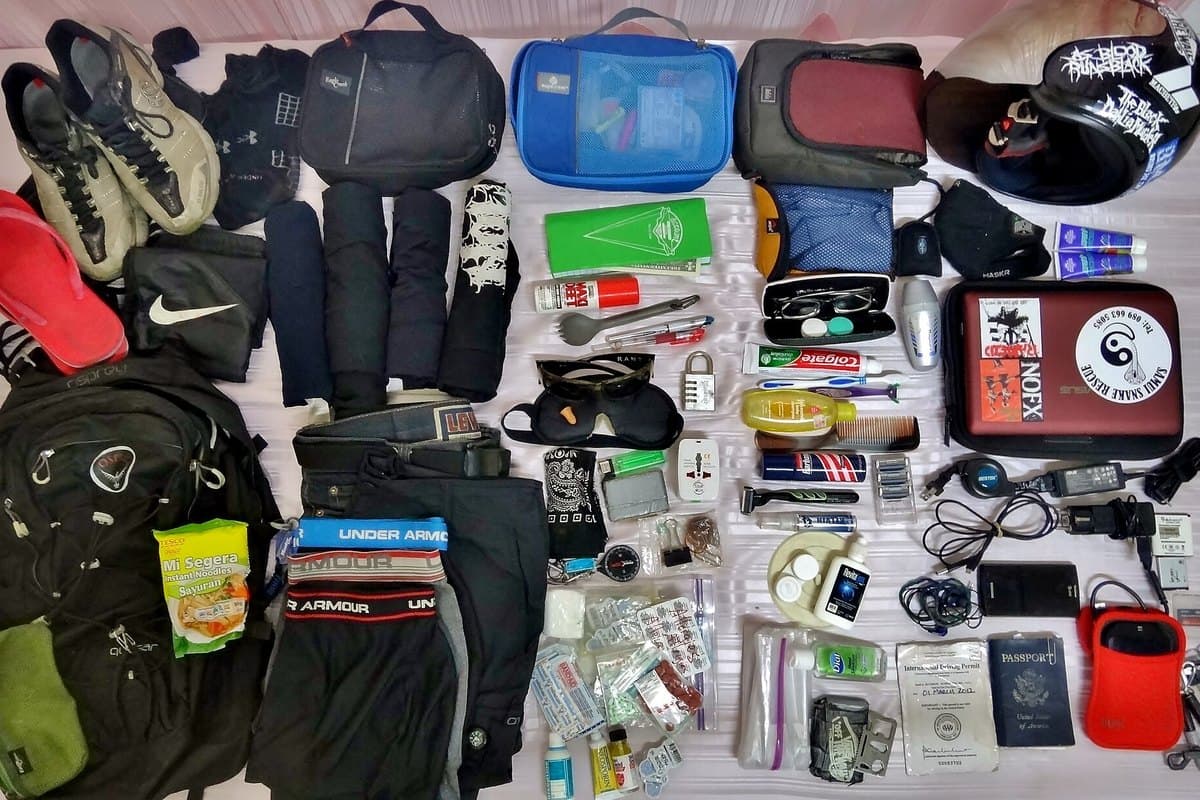
Nepal Packing List & Gear Checklist
Complete Year-Round Trekking & Travel Packing Guide