
Kathmandu Valley
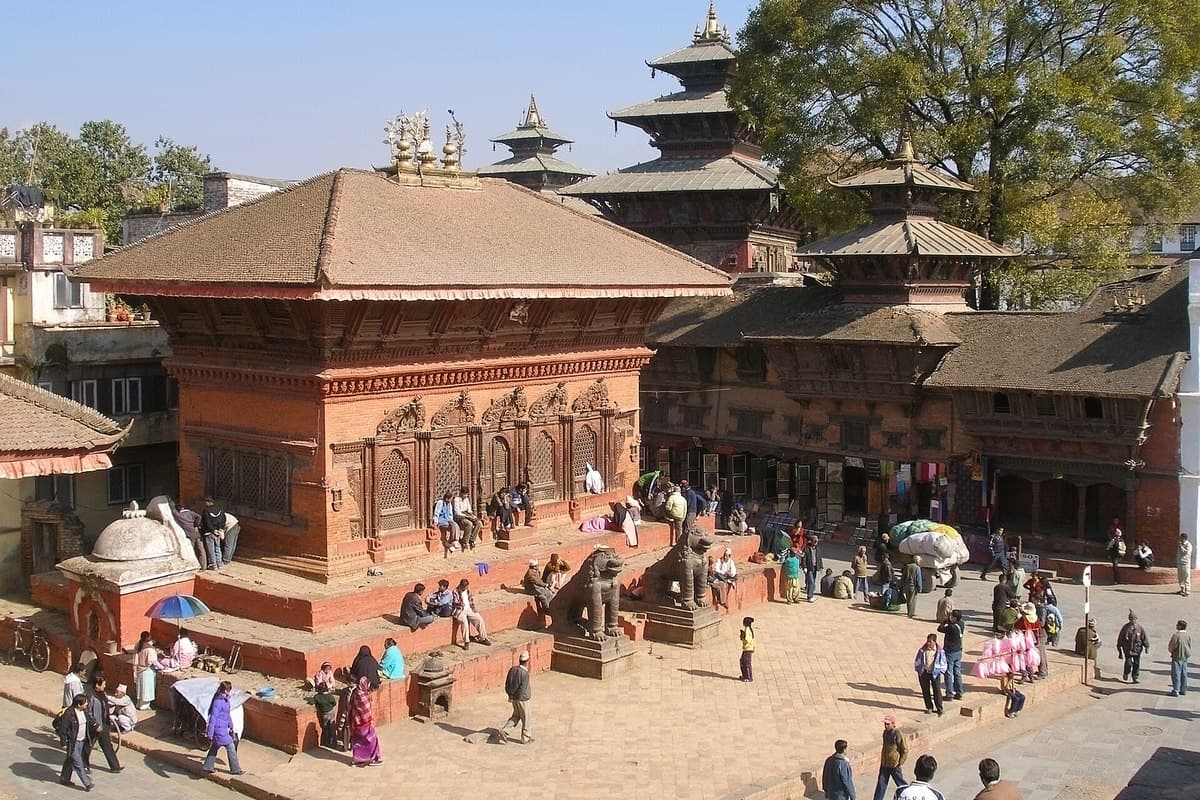
The capital city of Nepal, Kathmandu Valley is a UNESCO World Heritage Site comprising three historic cities: Kathmandu, Bhaktapur, and Patan. It's a living museum where ancient temples stand alongside bustling markets.
Overview
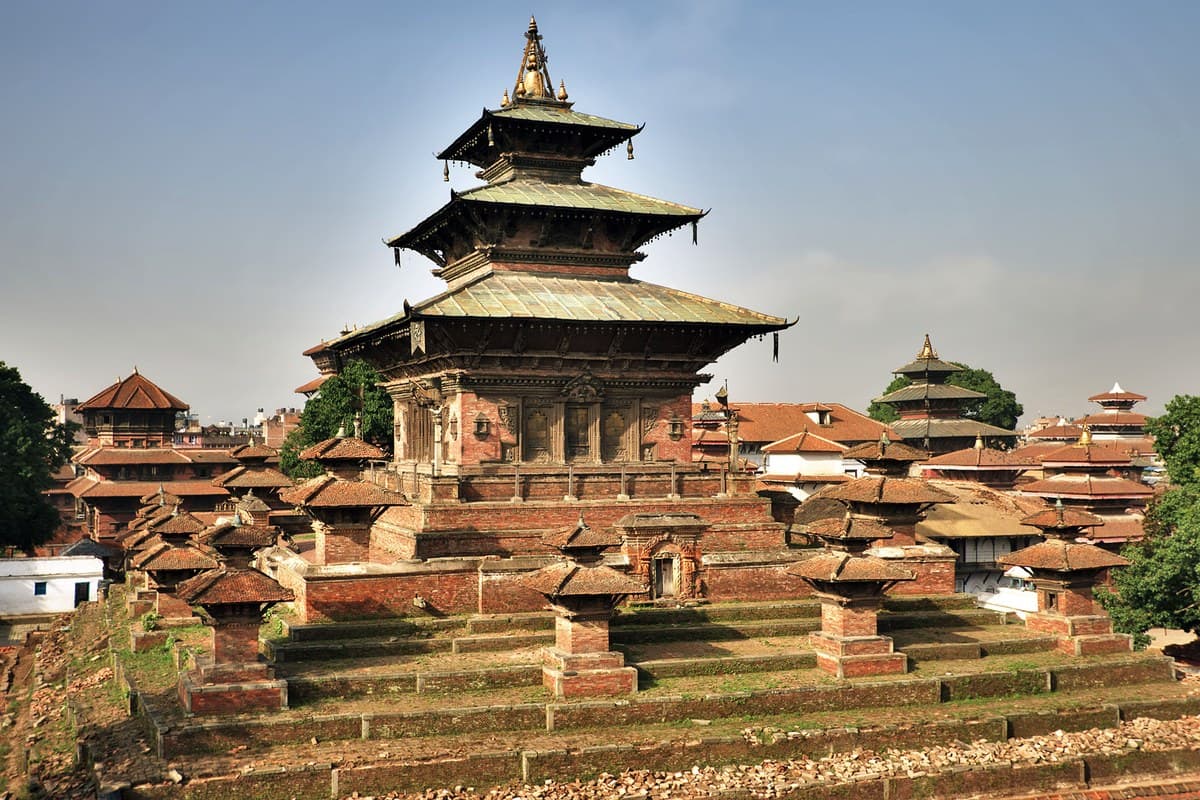
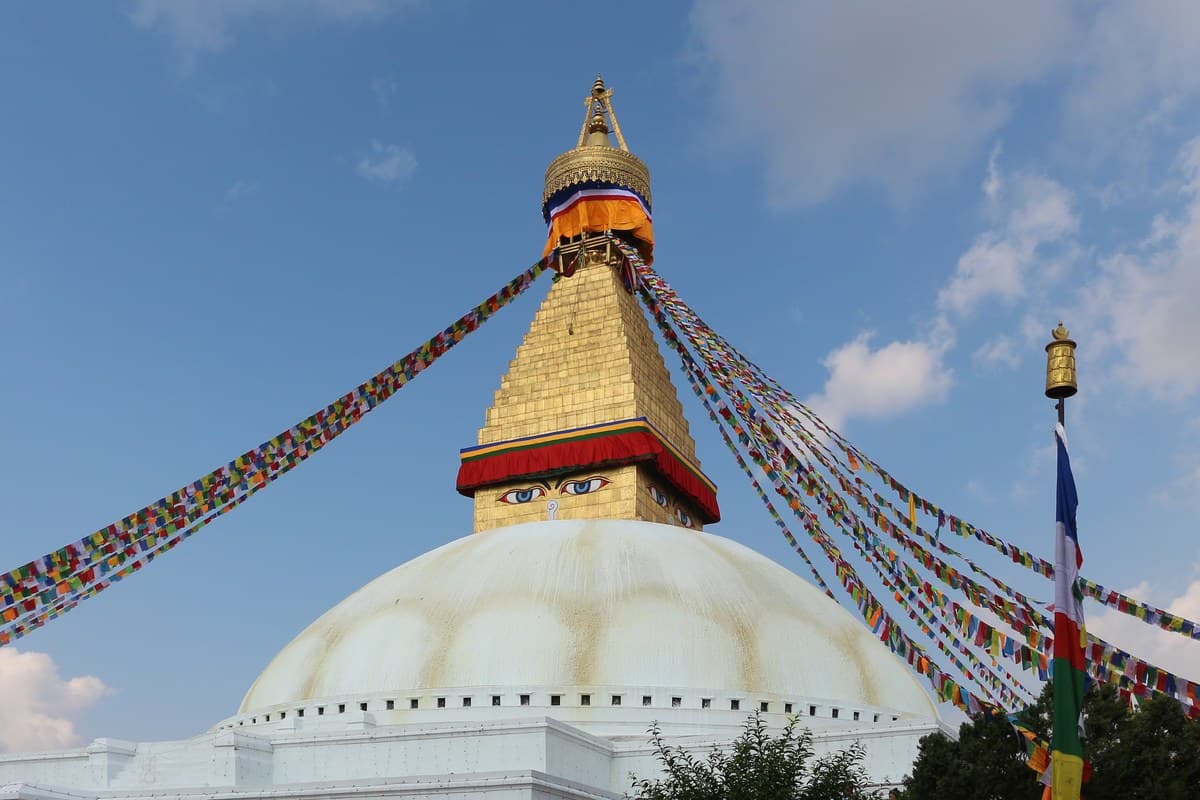
Kathmandu Valley represents over 2,000 years of architectural and cultural evolution. The three cities that comprise the valley each have their own unique character: Kathmandu is the energetic capital with vibrant street life, Bhaktapur preserves medieval Newari architecture in its entirety, and Patan showcases exquisite craftsmanship and religious artistry. The valley is home to some of Asia's oldest temples and stupas.
History & Culture
Founded in 723 AD by King Gunakamadeva, Kathmandu was established as a center for trade and spirituality. For centuries, it was the capital of separate kingdoms during the Malla period (1200-1768), when architectural competition among rulers led to the creation of magnificent temples and stupas. After unification under Prithvi Narayan Shah in 1768, Kathmandu became the capital of modern Nepal. The valley survived devastating earthquakes, including the catastrophic 2015 quake, yet continues to preserve its heritage.
Key Highlights
Quick Facts
Duration
3-5 days for complete valley experience
Difficulty
Easy - mostly urban walking
Best Season
September to May
Maximum Altitude
1,350m (highest point in valley)
Starting Altitude
1,300m
Estimated Cost
Free to explore streets; temple entry NPR 200-500 each
📅Best Time
September to November (Autumn): Clear skies, moderate temperatures (15-25°C), excellent visibility of surrounding mountains. March to May (Spring): Pleasant weather, blooming rhododendrons in nearby hills, clear mountain views. Winter (December-February): Crisp, clear days perfect for photography, though cold nights (5-10°C). Avoid: July-August (monsoon—heavy rains, limited visibility) and June (pre-monsoon humidity and dust).
✈️Getting There
Tribhuvan International Airport (KTM) - Nepal's main international gateway, 5km southeast of city center. Taxis from airport: NPR 500-800 (30 minutes). Tourist buses connect to all major cities. From Pokhara: 7-hour scenic drive. From Lumbini: 6-7 hour drive south through Terai.
💡Travel Tips
- •Wear comfortable walking shoes—narrow alleys and stairs are everywhere
- •Respect temple protocols: remove shoes, dress modestly, don't photograph rituals without permission
- •Use registered taxis or ride-sharing apps (Pathao) for fair prices
- •Visit temples early morning (5-7 AM) for peaceful atmosphere and best light for photography
- •Try street food from established vendors: momos, samosas, juju dhau (local yogurt)
- •Keep small denomination bills for offerings and tips
- •Air quality can be poor in winter—consider a mask if sensitive
- •Learn basic Nepali greetings—locals appreciate the effort
Connected Nepal Guides & Essentials
5 connected resources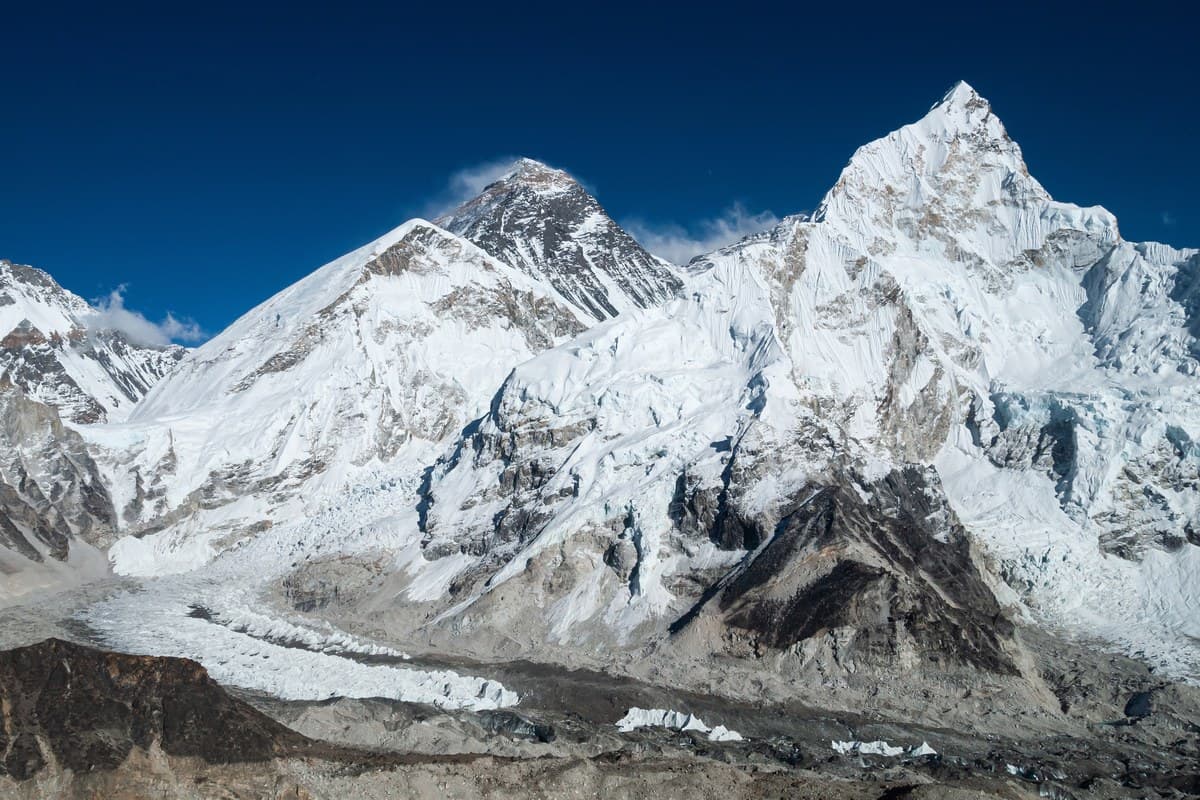
Everest Base Camp Trek
14 Days • Challenging
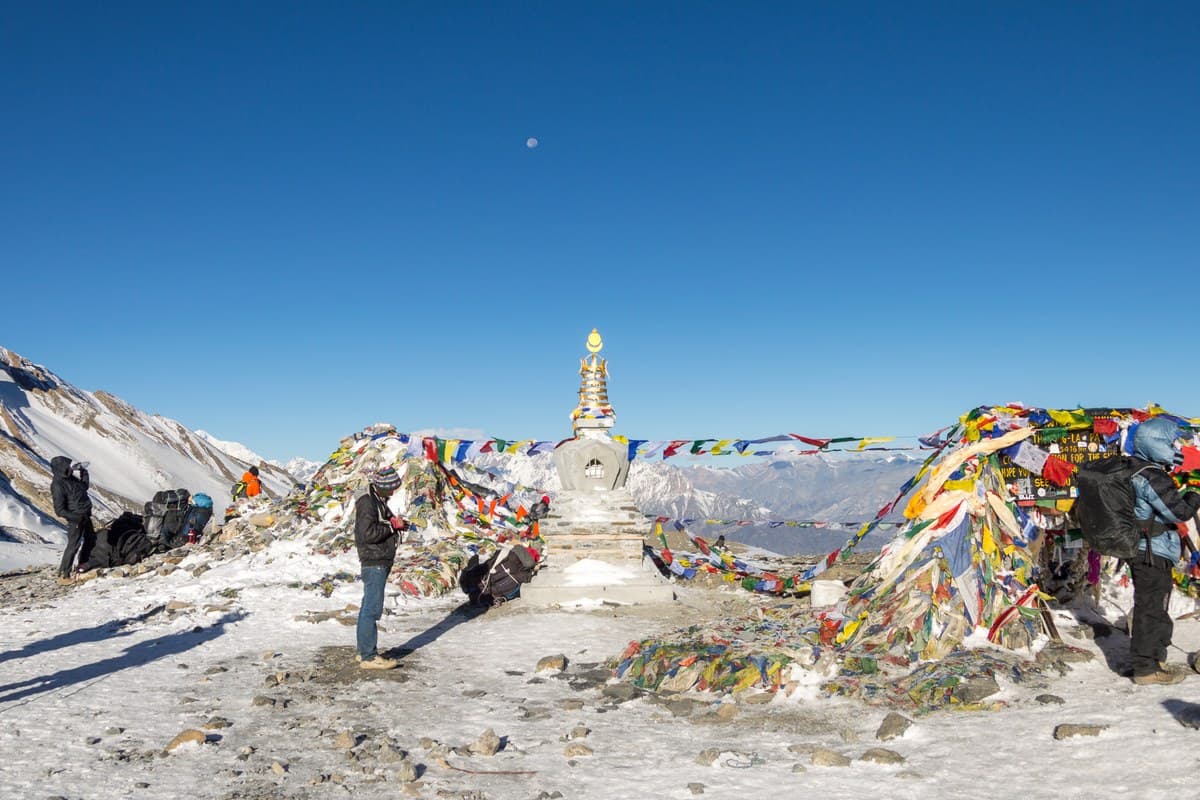
Annapurna Circuit & Thorong La Pass
12 Days • Challenging
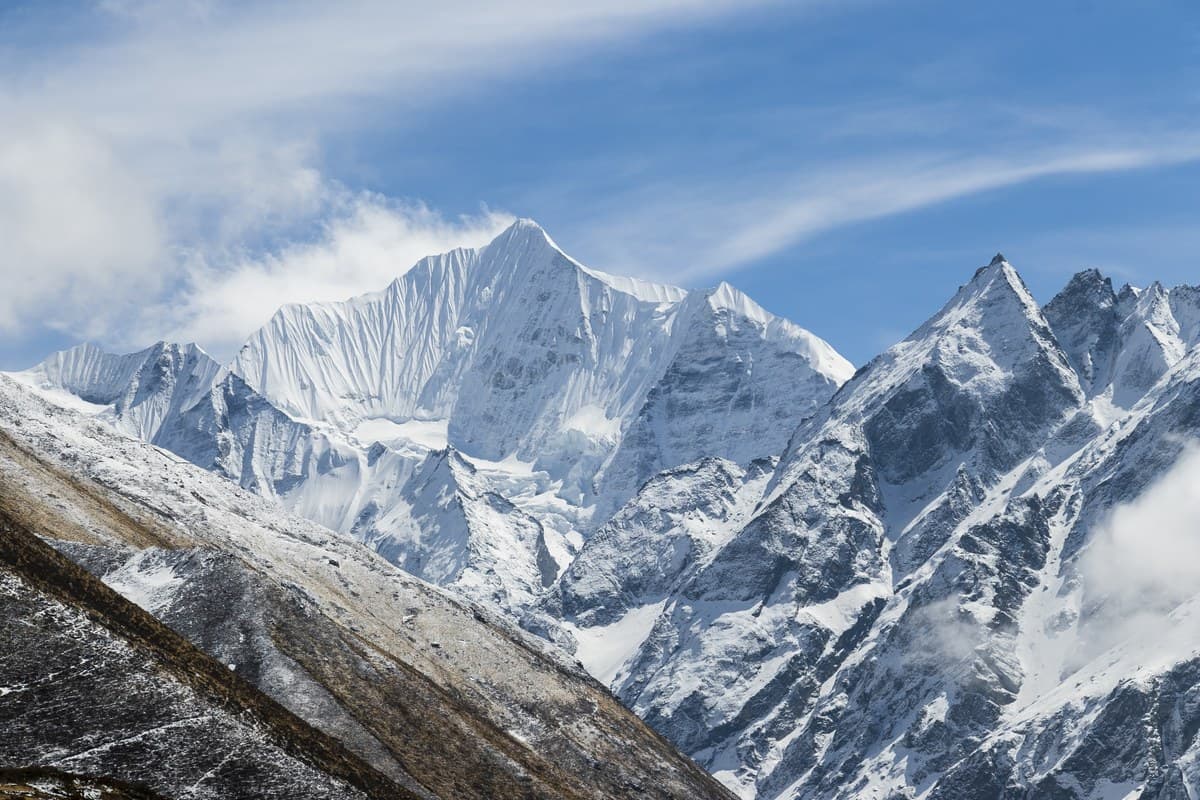
Langtang Valley & Kyanjin Ri
7 Days • Moderate
The Golden Triangle
7 Days • Easy
Kathmandu Valley Cultural Heritage
4 Days • Easy