Culinary Journey
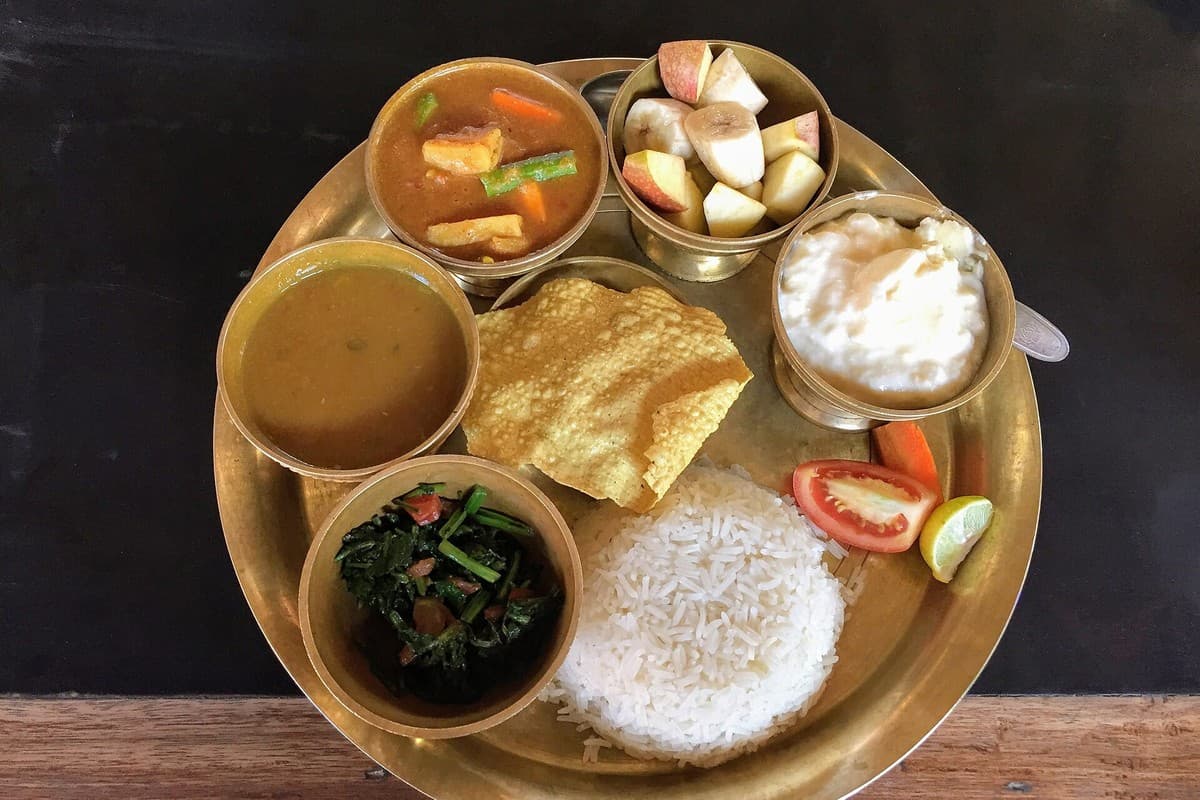
Nepal's diverse cuisine reflects centuries of history, geography, and cultural interchange. Food experiences range from street food tours to cooking classes with local families.
About This Experience
Nepali cuisine is more than sustenance—it's cultural expression. Flavors vary by region, season, and ethnic group. Food connects to spirituality, hospitality, and identity.
Cultural Significance
Nepali cuisine evolved from trade routes, seasonal agriculture, and cultural traditions. Newar cuisine represents sophisticated culinary traditions. Sherpa and mountain communities developed high-protein, high-calorie foods for altitude. Modern Nepal sees revived interest in traditional cuisine.
What to Expect
Activity Details
Duration
Half-day to multi-day culinary experiences
Difficulty
Easy
Best Season
Year-round
Maximum Altitude
City-level
Estimated Cost
USD 25 - 60 (~NPR 3,300 - 8,000) classes / USD 5 - 15 street food
Accommodation
Not required; day activities
🌞Best Season
Year-round for cooking classes. Harvest seasons (September-October and April-May) feature fresh ingredients.
📍Location & Access
Cooking classes available in Kathmandu, Pokhara, and homestay locations.
💡Pro Tips
- •Communicate dietary restrictions in advance to cooks
- •Street food from established, clean-looking vendors safer than questionable sources
- •Teach-cook interactions improved through learning basic Nepali cooking terms
- •Bring waterproof apron and towel for hands-on cooking
- •Ask permission before photographing food and meals
- •Photography often enhances appreciation—don't over-photograph and miss eating
- •Recipe notebooks helpful for recording preparation methods
- •Stomach adjustments to spice levels occur gradually—don't overdo initially
- •Leftover food etiquette: eat provided amounts, respect food resources
- •Food preparation teaches beyond cooking—cultural history and family stories included