
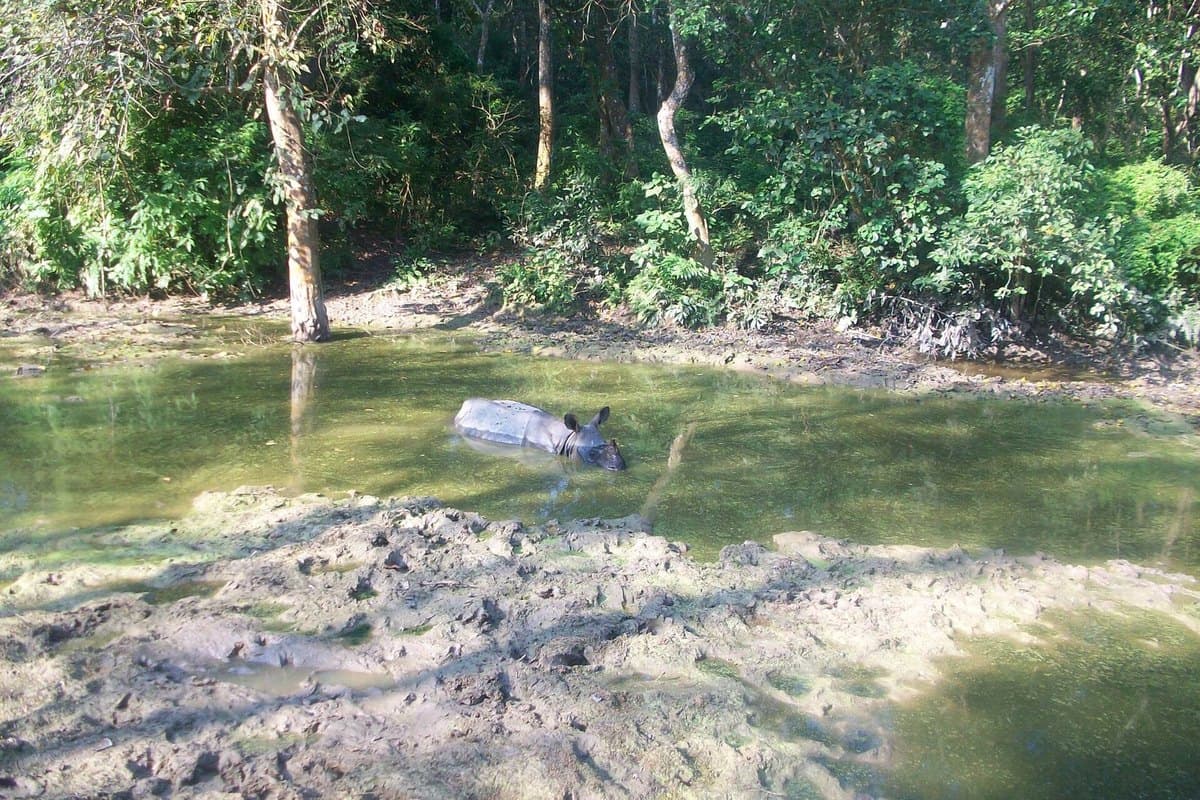
Chitwan National Park
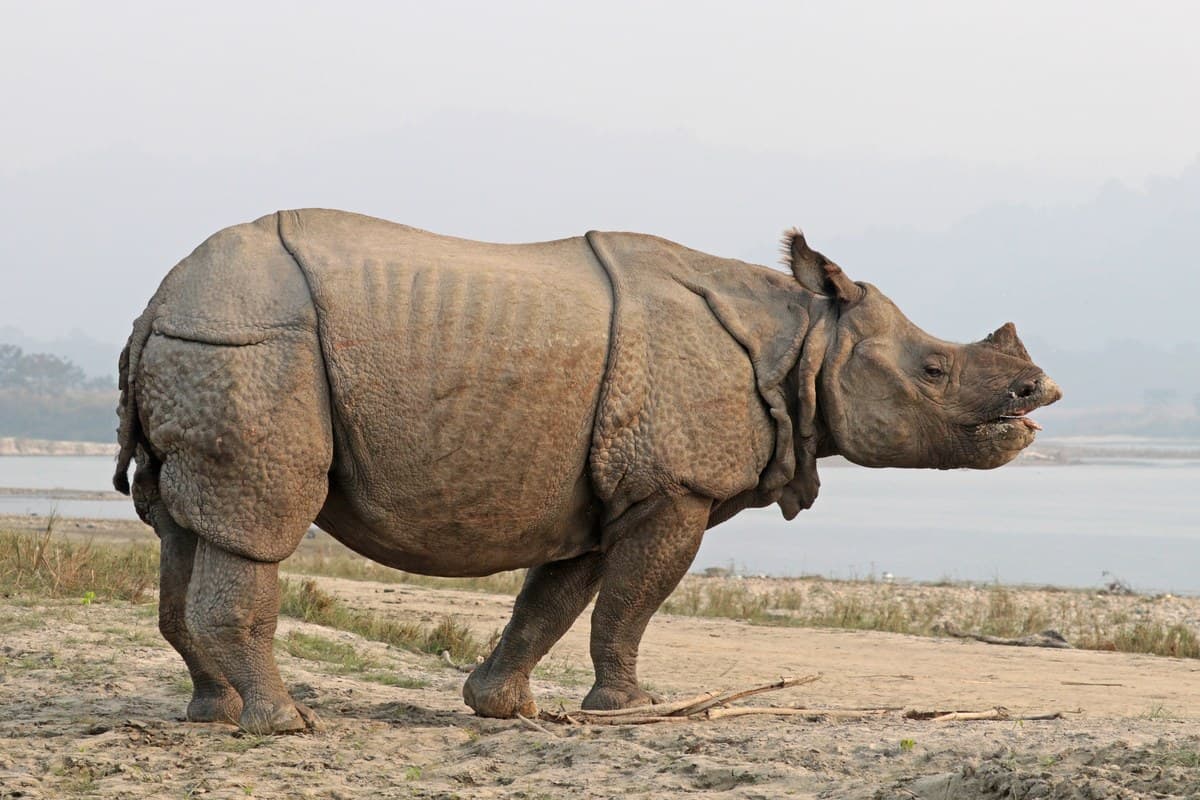
Nepal's first national park and a UNESCO World Heritage Site, Chitwan National Park spans 932 square kilometers of subtropical lowland jungle in the Terai region. It's home to the endangered One-Horned Rhino, Royal Bengal Tiger, and over 500 bird species.
Overview
Chitwan represents pristine Terai wilderness and successful wildlife conservation. The park's diverse ecosystem supports one of the world's highest densities of Bengal tigers and the largest population of one-horned rhinos outside India. The Rapti and Narayani rivers create rich habitats supporting diverse wildlife.
History & Culture
Chitwan was established as Nepal's first National Park in 1973 with international conservation support. In the 1960s, the park's rhino population had declined to fewer than 100 animals due to poaching. Through dedicated conservation efforts, the population has recovered to over 600 individuals today—a major conservation success story. The park has also seen tiger populations increase from near extinction to current healthy numbers.
Key Highlights
Quick Facts
Duration
2-3 days minimum for meaningful wildlife experience
Difficulty
Easy to moderate - jeep and canoe activities
Best Season
October-March
Maximum Altitude
200m (low Terai elevation)
Starting Altitude
150m
Estimated Cost
Jeep safari: USD 40-60; canoe: USD 25-40; activities vary by lodge
📅Best Time
October to March (Cool season with peak wildlife activity): Temperatures 15-25°C, dry conditions, animals concentrated near water sources. November-December and January-February offer best photography. Avoid June-September (monsoon—high water, limited visibility, dangerous conditions).
✈️Getting There
Bharatpur Airport (BRT) - 20km away, connected by flights from Kathmandu (25-30 minutes, USD 60-80). Tourist buses from Kathmandu (5-6 hours, NPR 700-1000). Private jeeps (6-7 hours). From Pokhara: 3-4 hour drive south. Accommodation provides transportation to jungle entry points.
💡Travel Tips
- •Wear neutral earth-tone clothing for safaris—bright colors disturb wildlife
- •Book safaris in advance, especially during peak season (Nov-Feb)
- •Early morning (5:30-7:30 AM) and late afternoon (3:30-5:30 PM) offer best wildlife sightings
- •Tiger sightings are never guaranteed—manage expectations while appreciating other wildlife
- •Bring binoculars, camera with telephoto lens, and field guide for bird identification
- •Follow guide instructions strictly regarding safety protocols
- •Insect repellent and light clothing protection (sleeves, pants) recommended
- •Photography often disturbs wildlife—balance your interest with animal welfare
- •Support ethical tourism practices—verify lodge animal welfare practices
Connected Nepal Guides & Essentials
10 connected resources
UV SteriPEN & Micro-Filtration Purifier
Health & Safety
Category 4 Polarized Glacier Sunglasses
Health & Safety

The Golden Triangle
7 Days • Easy
Chitwan & Bardia Wild Safari
6 Days • Easy
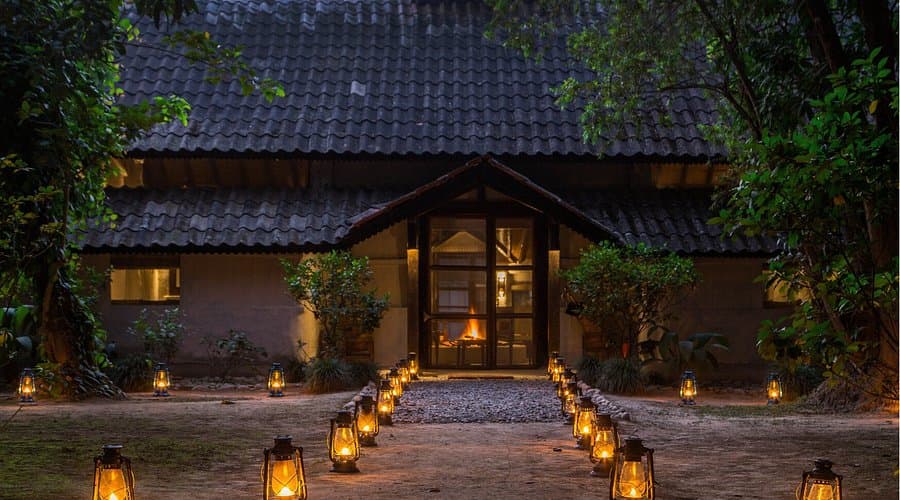
Tiger Tops Tharu Lodge
Pioneer of Sustainable Jungle Luxury
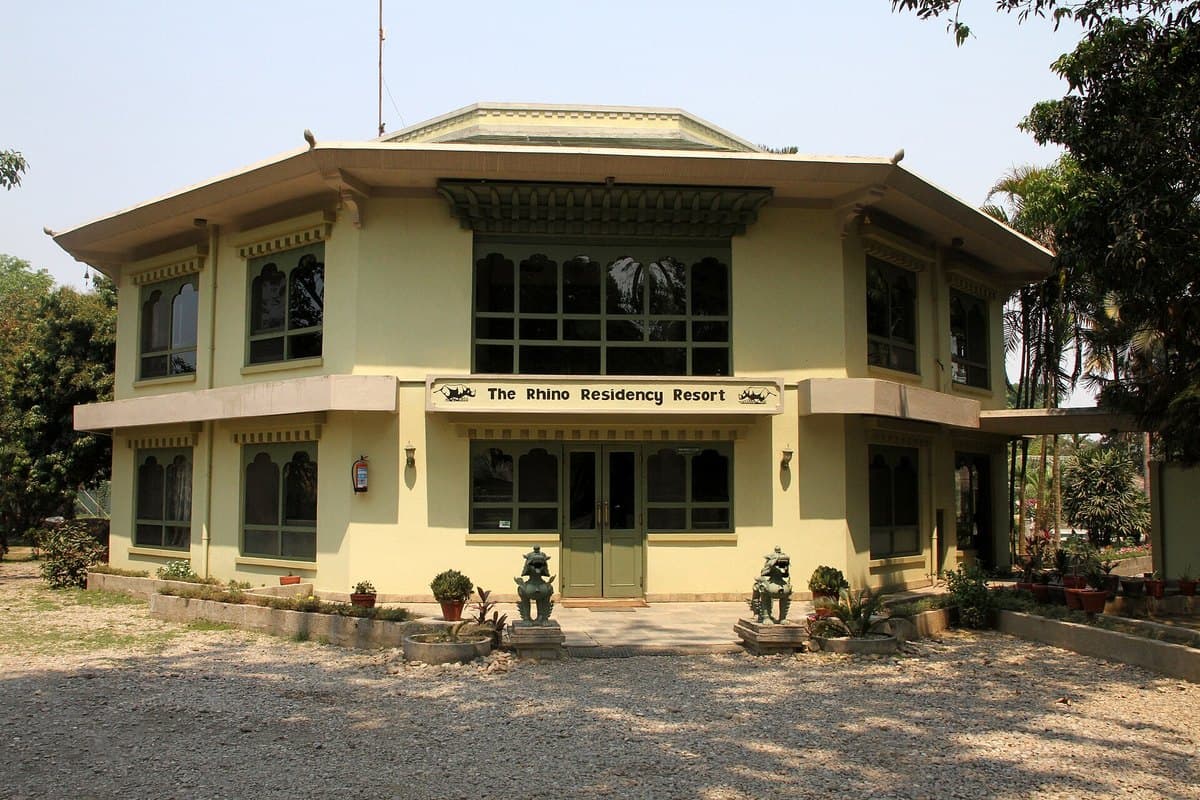
Luxury Resorts
Exclusive Experiences in Nature
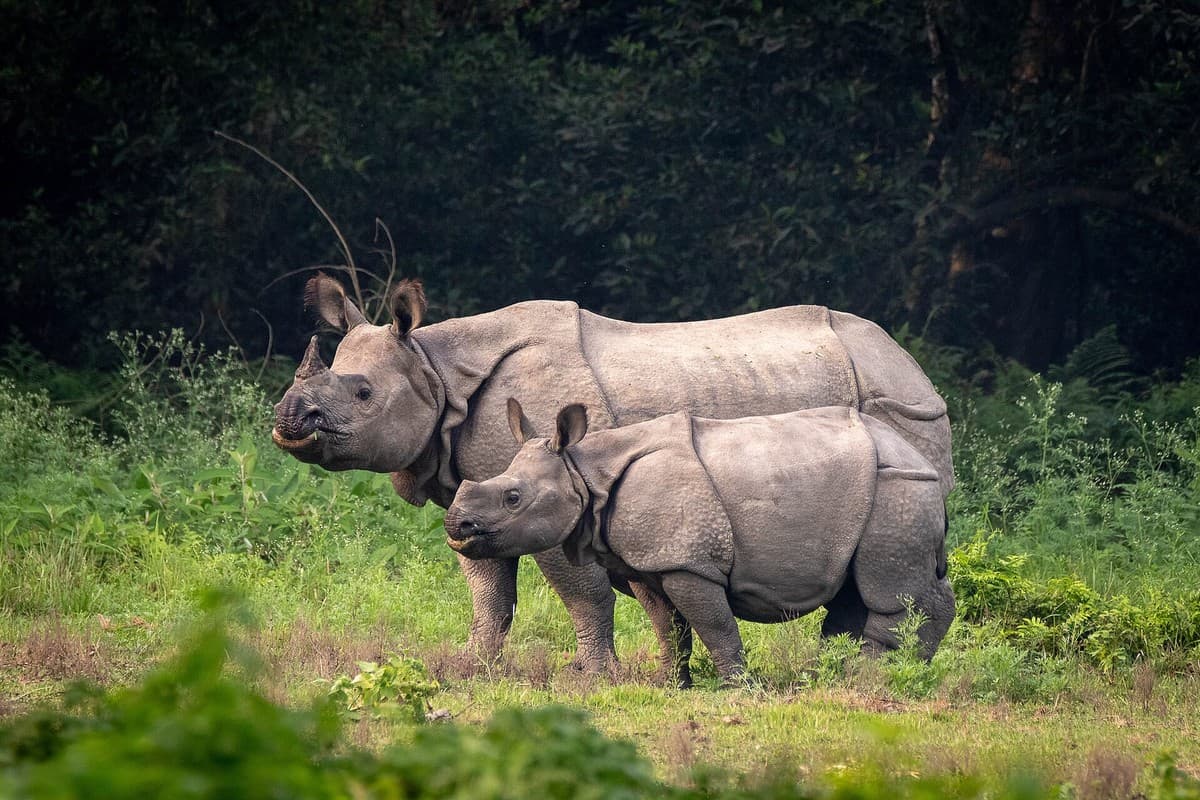
Jungle Safari
Wildlife Adventure in Nepal's Wilderness
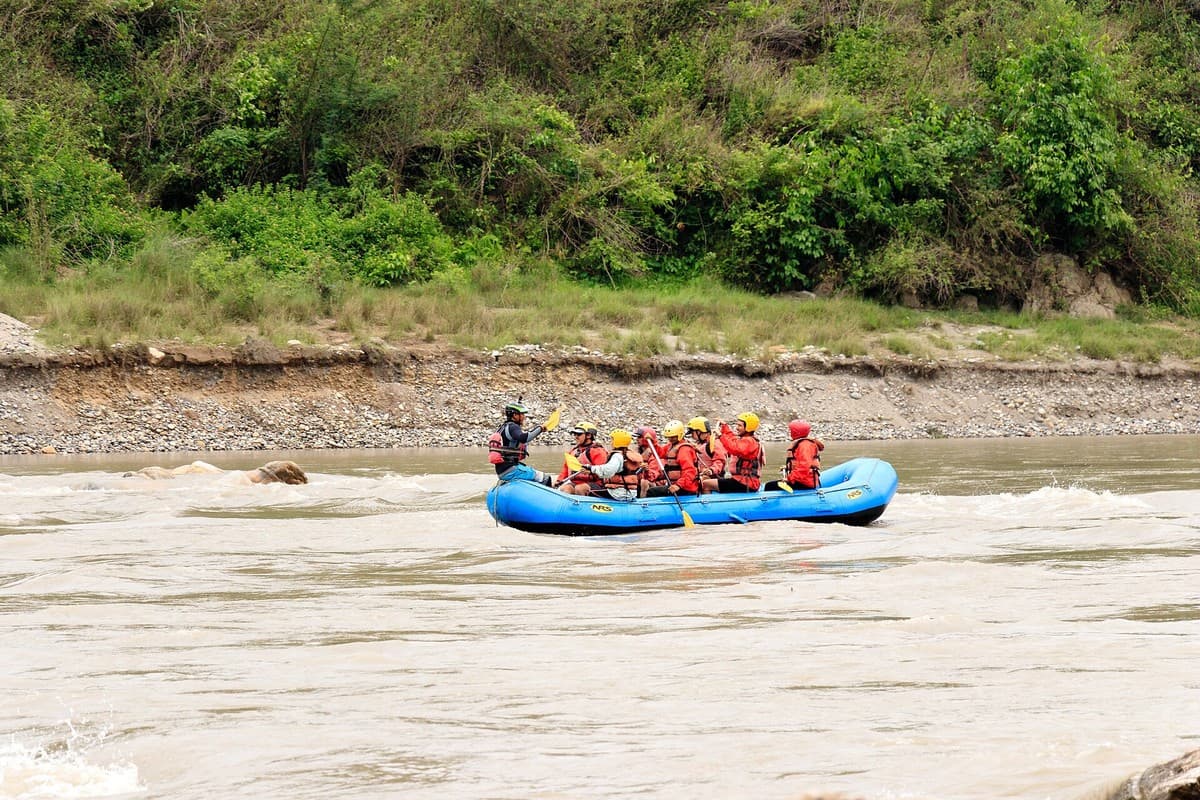
White Water Rafting
Ride Himalayan Rivers
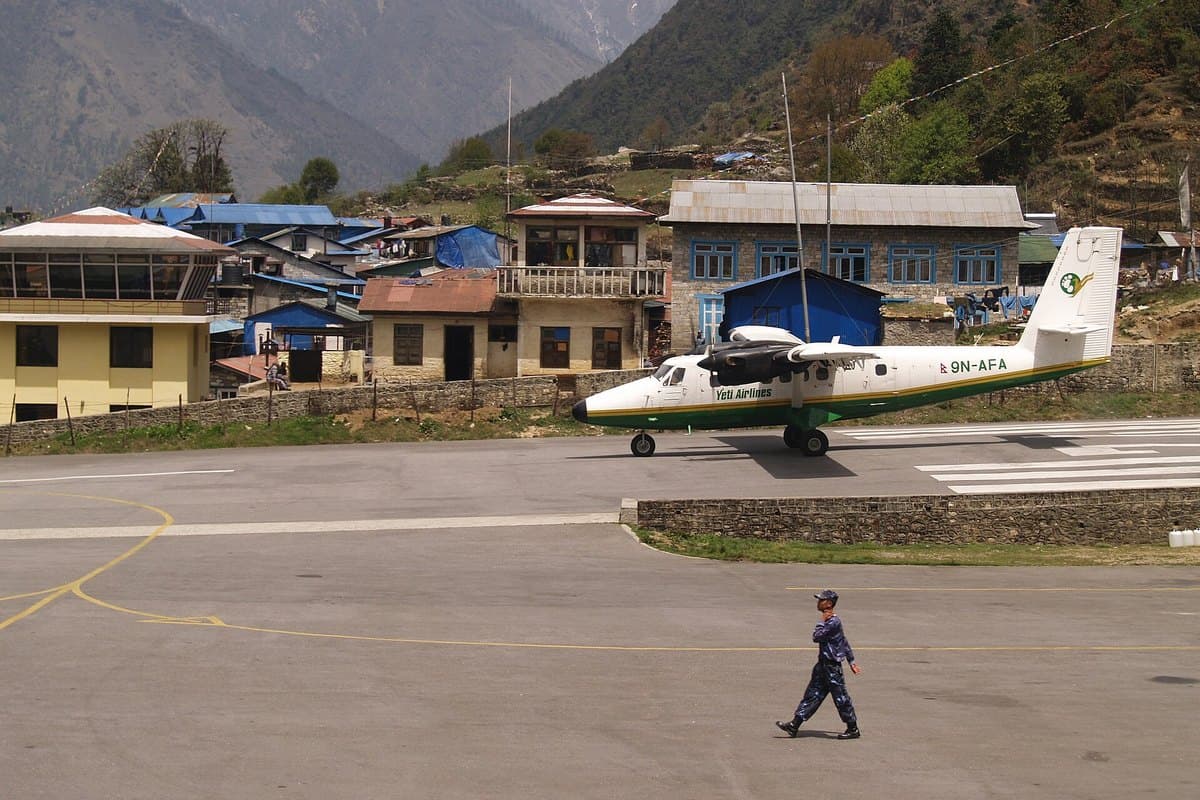
Transportation Guide
Getting Around Nepal

Best Time to Visit Nepal
Seasonal Guide and Climate Information