
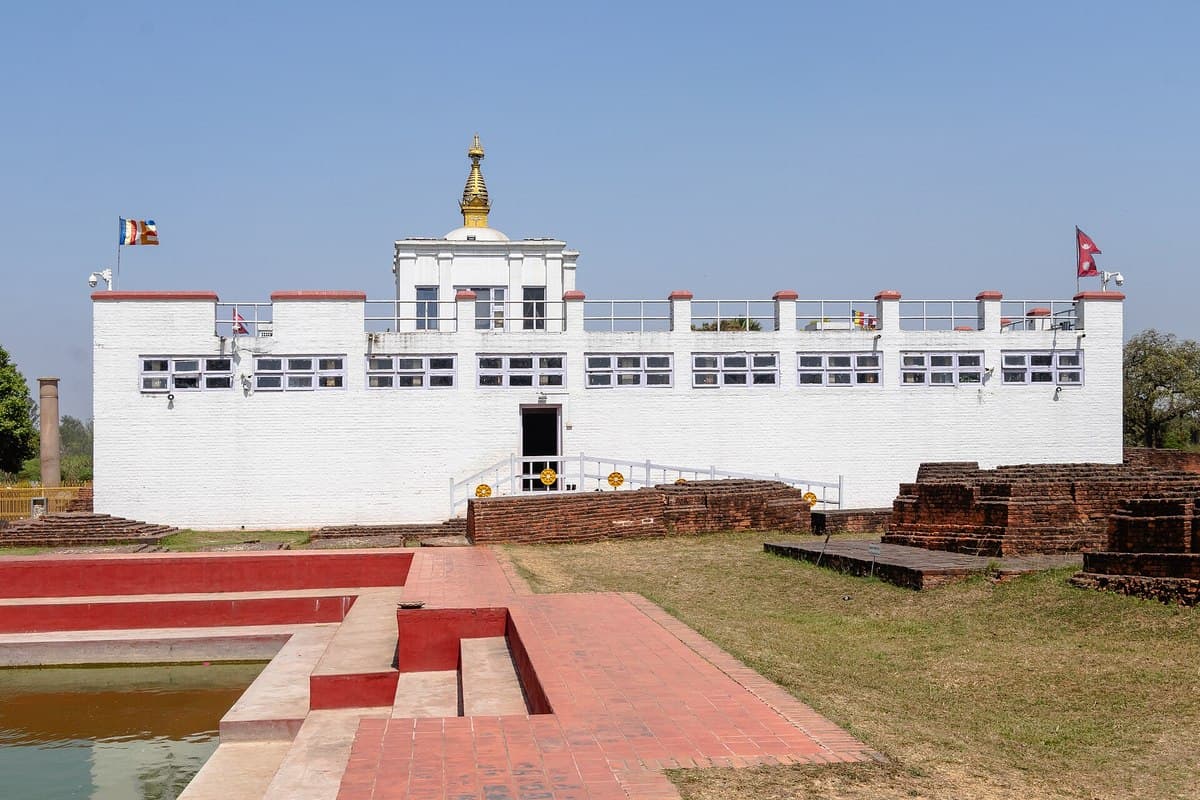
Lumbini
Lumbini is one of the world's most important religious sites—the birthplace of Siddhartha Gautama (Lord Buddha) in 623 BCE. This UNESCO World Heritage Site attracts Buddhist pilgrims and spiritual seekers from around the globe.
Overview
Lumbini represents a profound spiritual journey and historical archaeological site. The town's centerpiece is the Maya Devi Temple, marking the exact location of Buddha's birth. The surrounding monastic zone features beautiful monasteries built by Buddhist communities from different nations, creating a unique international spiritual landscape.
History & Culture
Lumbini has been a major pilgrimage destination for over 2,000 years. Emperor Ashoka visited in 249 BCE and erected a pillar to commemorate the exact location of Buddha's birth. The site remained a major center of Buddhist learning until the 5th century CE, then fell into relative obscurity. Modern archaeological work since the 1960s has restored Lumbini to international prominence as a World Heritage Site. The development of the modern monastic zone began in the 1980s, with monasteries continuously being added.
Key Highlights
Quick Facts
Duration
2-3 days
Difficulty
Very easy - mostly flat walking paths
Best Season
October-May
Maximum Altitude
77m (lowest major tourist site in Nepal)
Starting Altitude
77m
Estimated Cost
Free to enter sacred garden; temple entry donations; monastery visits free
📅Best Time
October to November (Autumn): Clear skies, moderate temperatures (18-25°C), comfortable walking conditions. December to February (Winter): Sunny days, cool mornings, excellent visibility. March to May (Spring): Pleasant weather, blooming flowers. Avoid June-August (monsoon—heavy rain, poor conditions for outdoor exploration).
✈️Getting There
Gautam Buddha International Airport (Bhairahawa) - Located 25km from Lumbini, served by daily flights from Kathmandu (1 hour), Pokhara (1.5 hours). Airport transfers: USD 15-20 taxi ride (45 minutes). Alternative: Drive 6-7 hours from Kathmandu via Hetauda, or take an overnight bus (12-14 hours) from Kathmandu (NPR 800-1200).
💡Travel Tips
- •Dress respectfully: long pants, covered shoulders in temple areas
- •Remove shoes before entering temples and meditation halls
- •Maintain silence and respectful demeanor in sacred spaces
- •Hire a knowledgeable guide to understand the deep historical and spiritual significance
- •Participate in meditation sessions at different monasteries for authentic experiences
- •Bring a meditation cushion if you plan extended practice
- •Visit early morning for peaceful atmosphere and best lighting
- •Ask permission before photographing monks or meditation sessions
- •The monsoon (June-August) brings lush greenery but heavy rain—plan accordingly